27.01.2026
Travel Freedom for Citizens of Macedonia | Henley Passport Index 2026
Travel Freedom for Citizens of Macedonia | Henley Passport Index 2026

Global travel freedom increasingly depends on the strength of the passport we hold. The Henley Passport Index is one of the most authoritative global rankings measuring this freedom, evaluating countries based on the number of destinations their citizens can access without a prior visa. The index relies on data from the International Air Transport Association (IATA) and serves as a key indicator of international mobility, economic connectivity, and a country’s diplomatic relations.

In the latest 2026 edition, Macedonia is listed among countries whose citizens face limited access to certain international destinations without a visa. This does not mean the Macedonian passport is among the weakest in the world, but it highlights that significant visa barriers still exist, especially for travel to North America, Australia, and parts of Asia. In practice, this often involves additional administrative procedures, time, and costs for many long-distance trips.
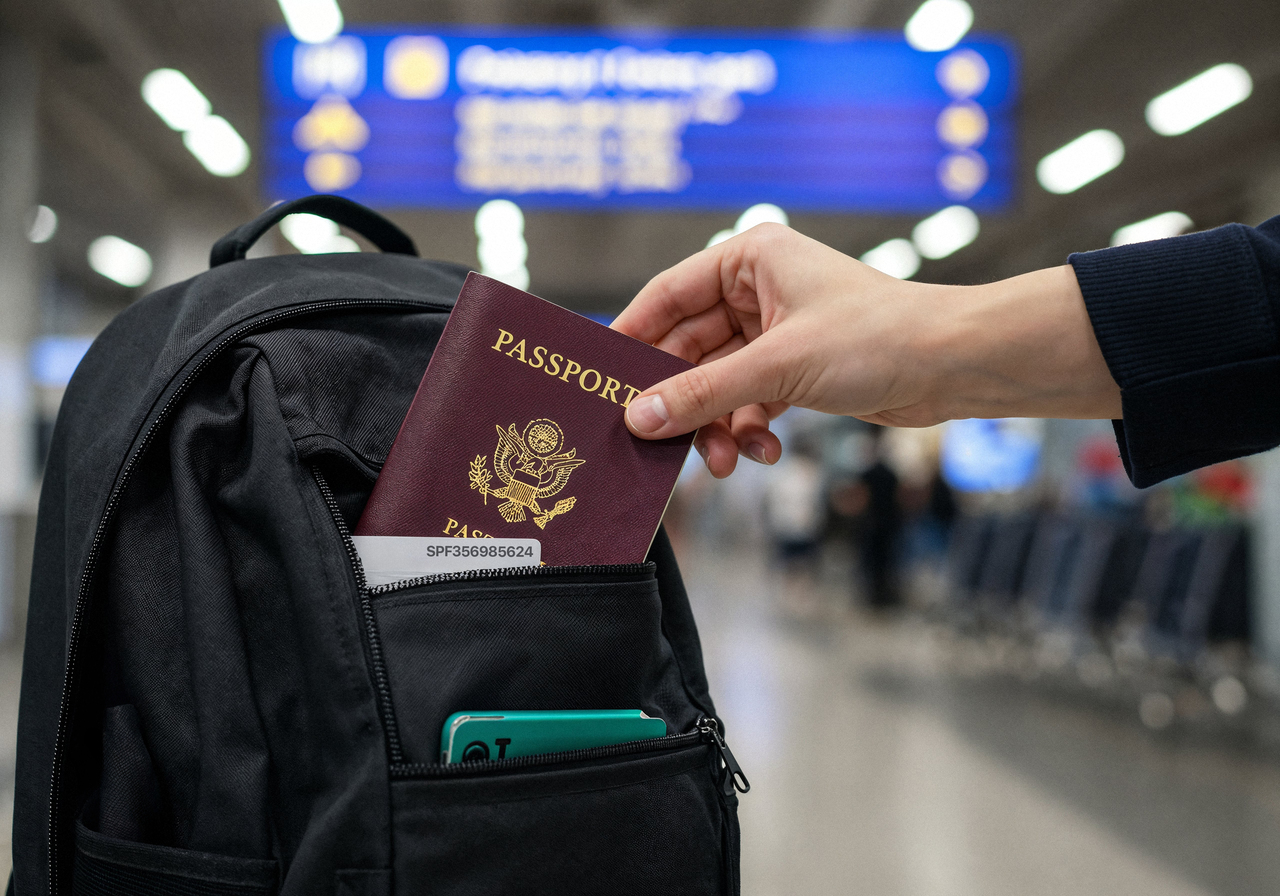
According to the index, Macedonian citizens can travel visa-free or with visa on arrival to around 130 countries and territories. This ranking places Macedonia in the middle of the global list, far behind countries with the most powerful passports, which offer access to over 180 destinations. The difference between these numbers clearly illustrates the role that international agreements, political stability, and economic integration play in shaping travel freedom.

The strength of a passport is not just symbolic; it directly impacts the lives of citizens. It matters for tourists, business travelers, students, and anyone seeking to travel, work, or study abroad. Limited visa-free mobility often means longer planning, additional documentation, and uncertainty when applying for visas, which can be a discouraging factor for many.

On the other hand, the index also highlights areas for improvement. Strengthening diplomatic relations, negotiating new visa agreements, and increasing international integration can directly enhance the passport power of Macedonia. In this context, global mobility is not a static measure but a process that evolves over time through strategic national policies.

For travelers from Macedonia, such analyses serve as a useful reminder of the importance of being well-informed before any trip. Planning ahead, checking visa requirements, and choosing destinations where travel is simpler remain essential steps for a smooth and successful experience. In a world where mobility is becoming increasingly important, a passport remains a quiet yet powerful tool that can open—or close—the door to the world.
Блог
Препораки
Read More

Team Building in Slovakia, Plus a Bonus Trip to Vienna!
Тим билдинг во Словачка со Кајак.мк, плус бонус трака до Виена!

Smart Travel in the Digital Age: How to Book Safely and Avoid Scams
Discover how to use technology wisely when travelling, choose reliable accommodation, make secure online payments, protect your personal data, and avoid travel scams.
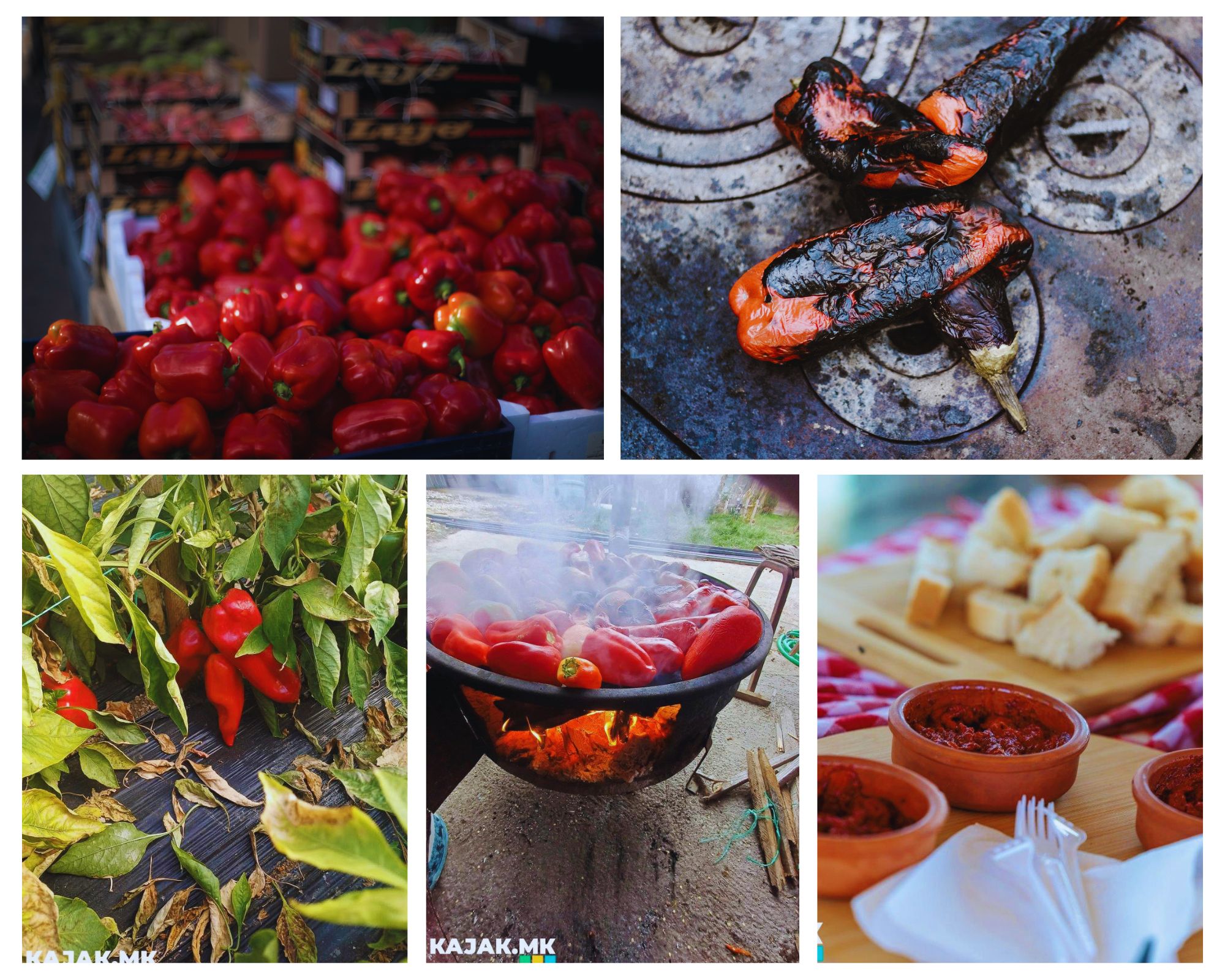
Macedonian Ajvar – Tradition, Homemade Food and Autumn Flavours
Discover the story of Macedonian ajvar, the tradition of making homemade preserves, family customs and authentic culinary experiences in Macedonia.

10 Affordable Cities in Europe for a Weekend Getaway
Discover 10 affordable European cities for a weekend getaway. Explore interesting destinations and learn how to plan your travel budget.

What to Do This Weekend in Skopje? | Kajak.mk
Looking for weekend ideas in Skopje? Discover horse riding, donkey walks, carriage rides, and fun outdoor activities with Kajak.mk.
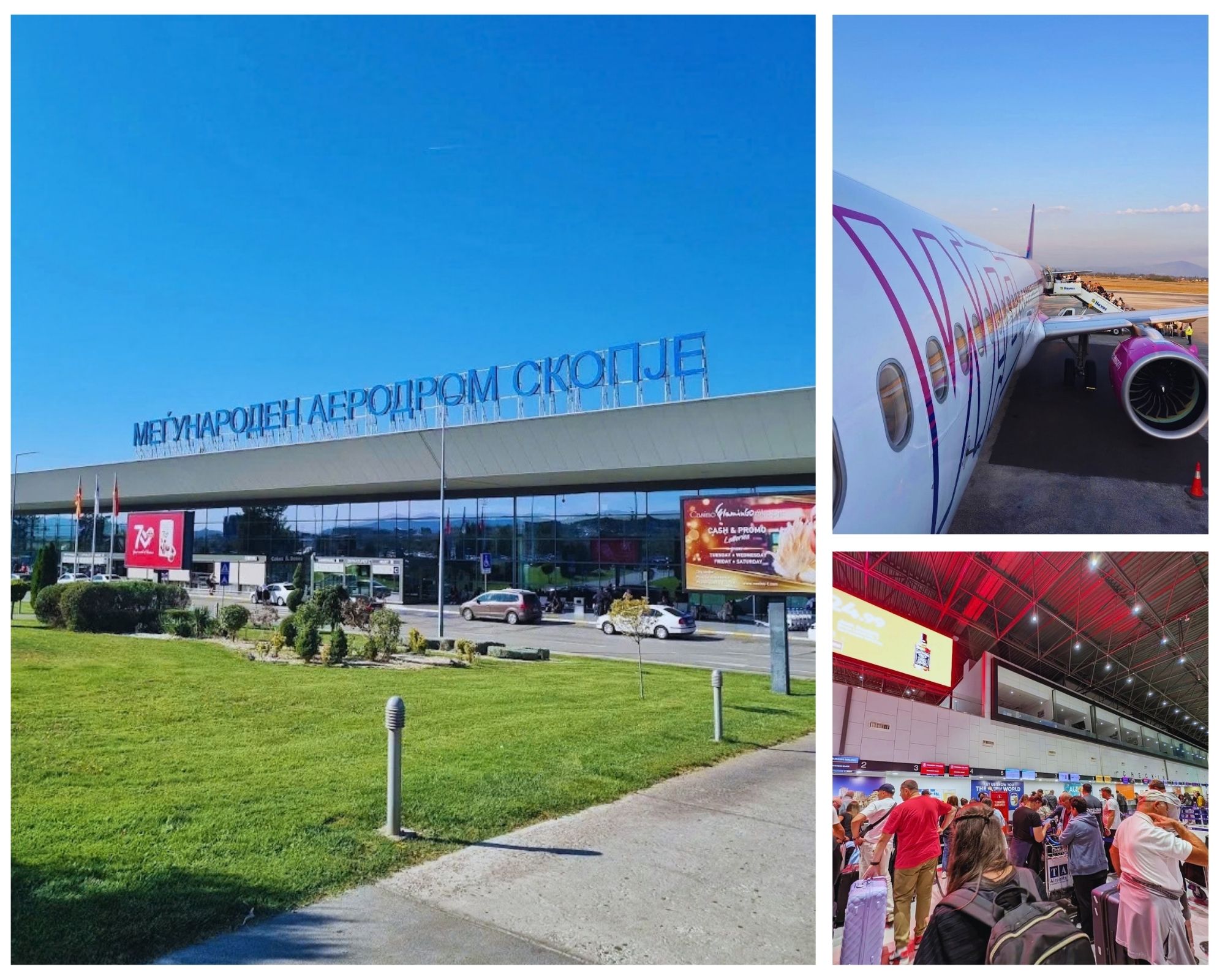
Skopje Now Connects to 50 Direct Destinations as Travel from Macedonia Surges 29%
Skopje connected to 50 direct destinations in summer 2026, while passenger numbers from Skopje and Ohrid rose by 29%.