04.01.2021
The Recipe for Macedonian Delight
The Recipe for Macedonian Delight

January in Macedonia is known for having a headache-inducing number of holidays. Foreign tourists often ask how we manage to balance work, celebrations, and finances during this month.
Many foreign visitors choose to come to Macedonia specifically to experience all the traditional customs—both religious and pagan—and to nourish their souls with traditional homemade food.
One of the first stories of the new year is about Pante Janeski, who has spent his entire life in the village of Bistrica, located on the slopes of Pelister. Pante and his family are deeply connected to traditional food and drinks, and January is definitely the month when Macedonians eat and drink what they harvested during the previous year.
January is unimaginable without rakija (fruit brandy). It’s especially present at the Christmas Eve dinner and is often used in many religious rituals.
There are many villagers in Macedonia who produce rakija in their yards, but we want to introduce you to Pante, because he makes rakija out of love for the process—not for resale or consumption. Pante says he started distilling rakija 40 years ago, right after he got married.
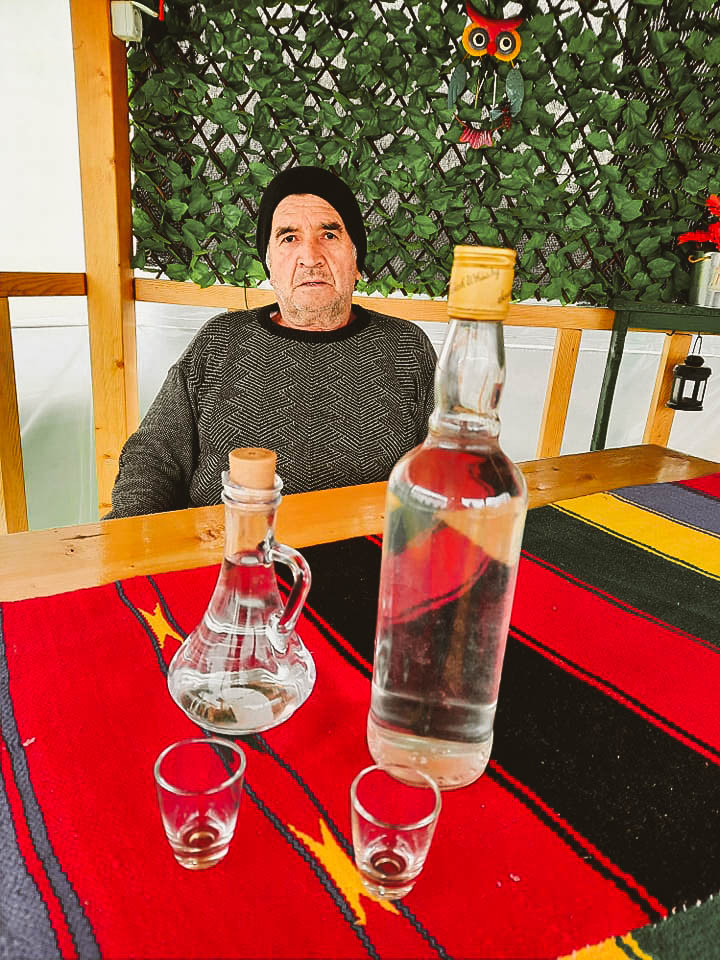
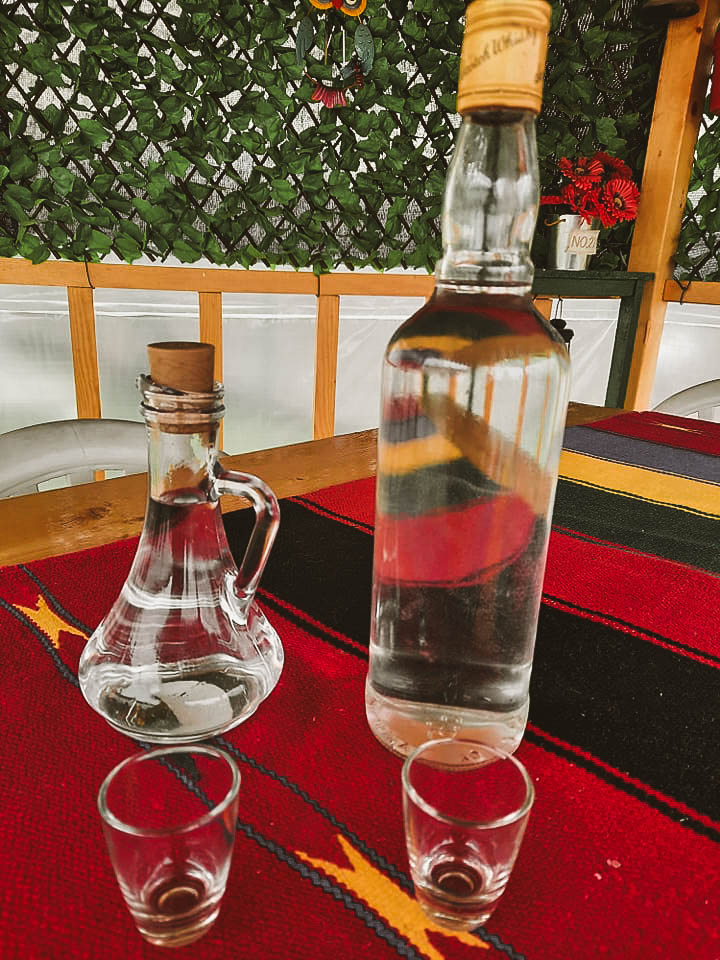
Pante produces his rakija from Loznica grapes, which he grows himself in his yard. The process is quite interesting and requires care and dedication. What motivated him to start producing rakija was that after finishing wine production, he used the leftover pomace from the distillation chimney to make rakija.
Pante says that he used to drink rakija with his friends in his youth, but only until his wedding. After he got married, he dedicated himself solely to producing rakija. Now, the rakija serves to welcome guests and for his family’s enjoyment.
January is the month when larger quantities of rakija are consumed—especially during the Christmas fires, Christmas Day, Epiphany (Vodici), Old New Year, and various other household celebrations.
Pante Janeski lives with his family in the village of Bistrica. During the Christmas Eve dinner, he celebrates this important holiday together with his family. The Christmas Eve table is very significant for everyone who observes the tradition. Violeta Janeska says that every year she prepares many traditional fasting specialties, starting with garlic flatbreads (pitulici), fish, fasting stuffed cabbage rolls (sarmi), pickled vegetables (turshija), appetizers, and dried grapes.
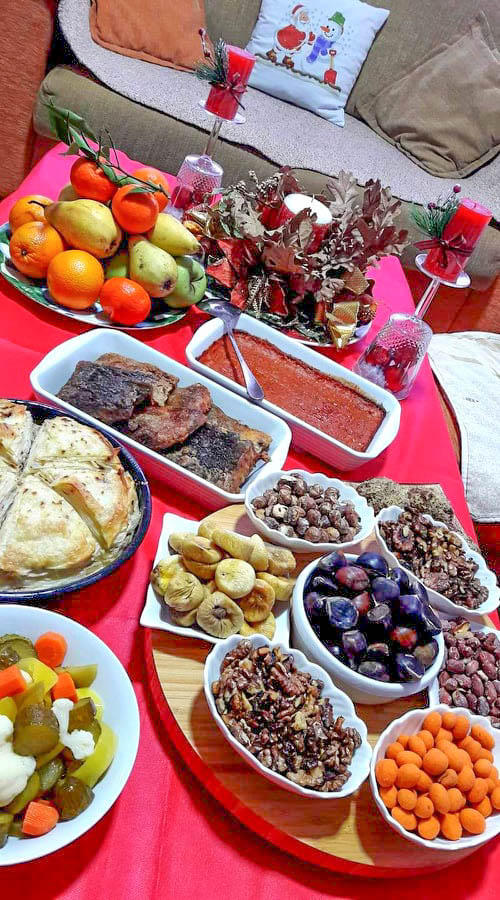
For the Christmas fires, the brides prepare fasting appetizers and small crescent rolls, while the men take care of the fire and rakija.
The Christmas fires bring neighbors together, who stay up late into the night singing and celebrating joyfully.
Блог
Препораки
Read More
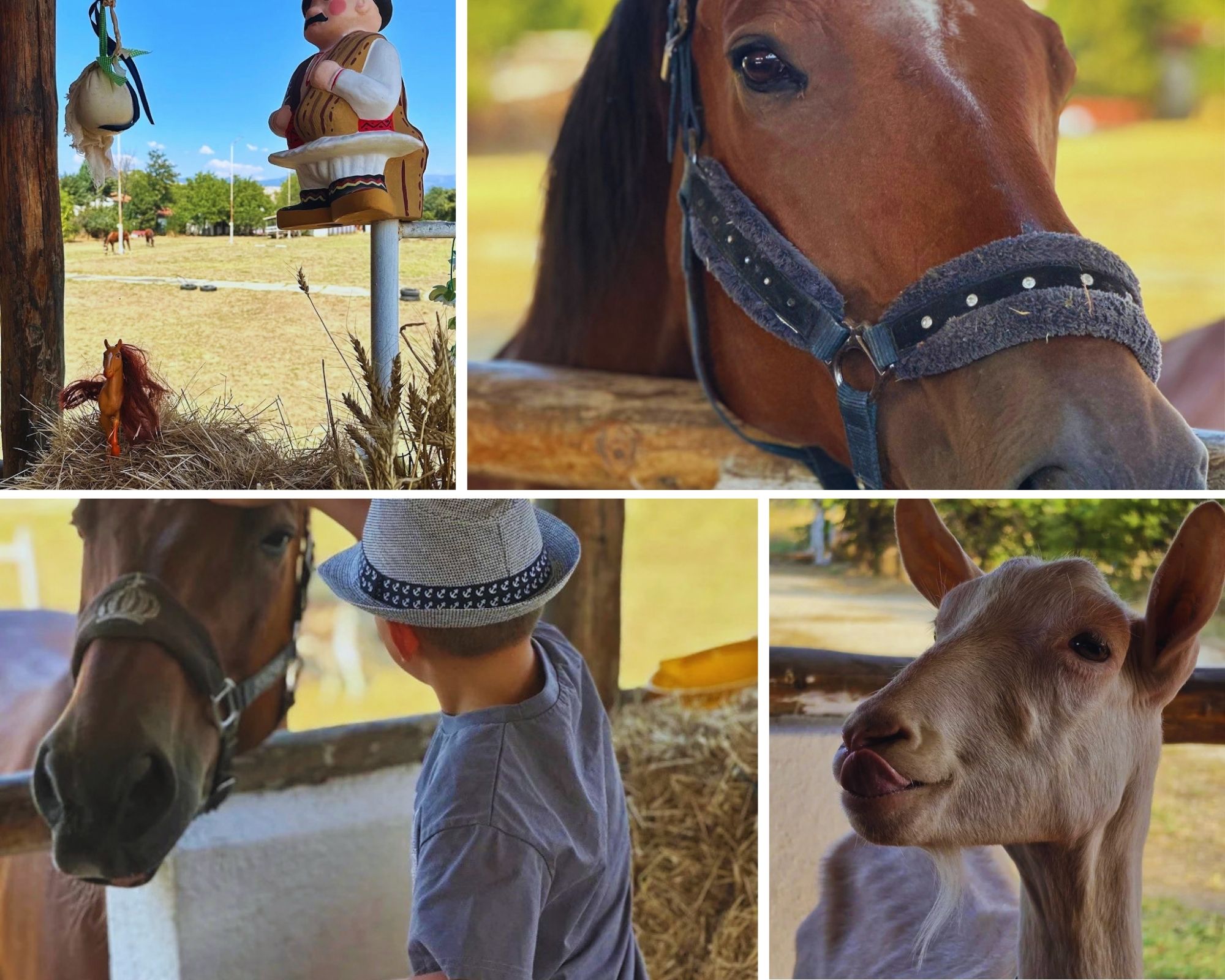
What to Do This Weekend in Skopje? | Kajak.mk
Looking for weekend ideas in Skopje? Discover horse riding, donkey walks, carriage rides, and fun outdoor activities with Kajak.mk.
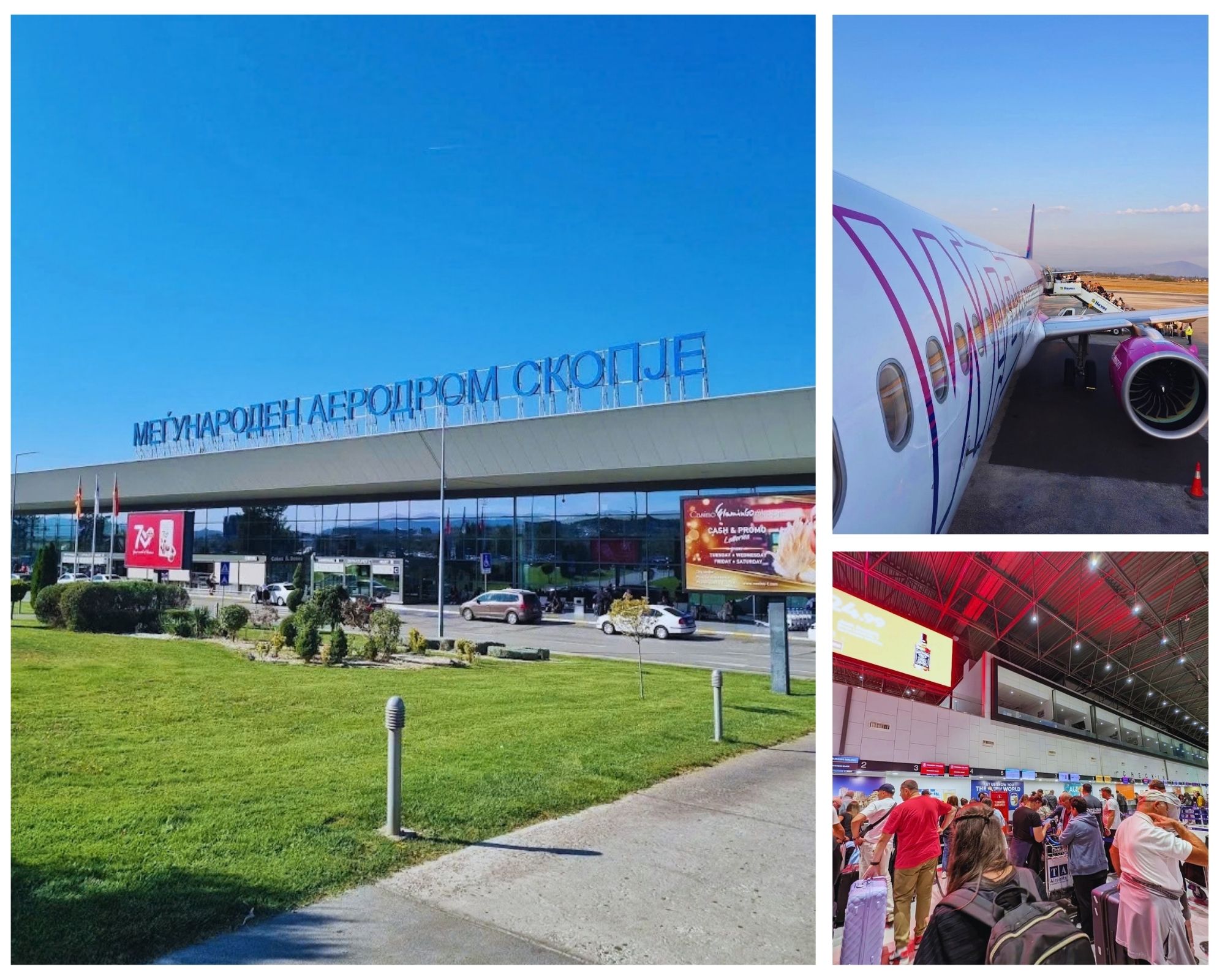
Skopje Now Connects to 50 Direct Destinations as Travel from Macedonia Surges 29%
Skopje connected to 50 direct destinations in summer 2026, while passenger numbers from Skopje and Ohrid rose by 29%.
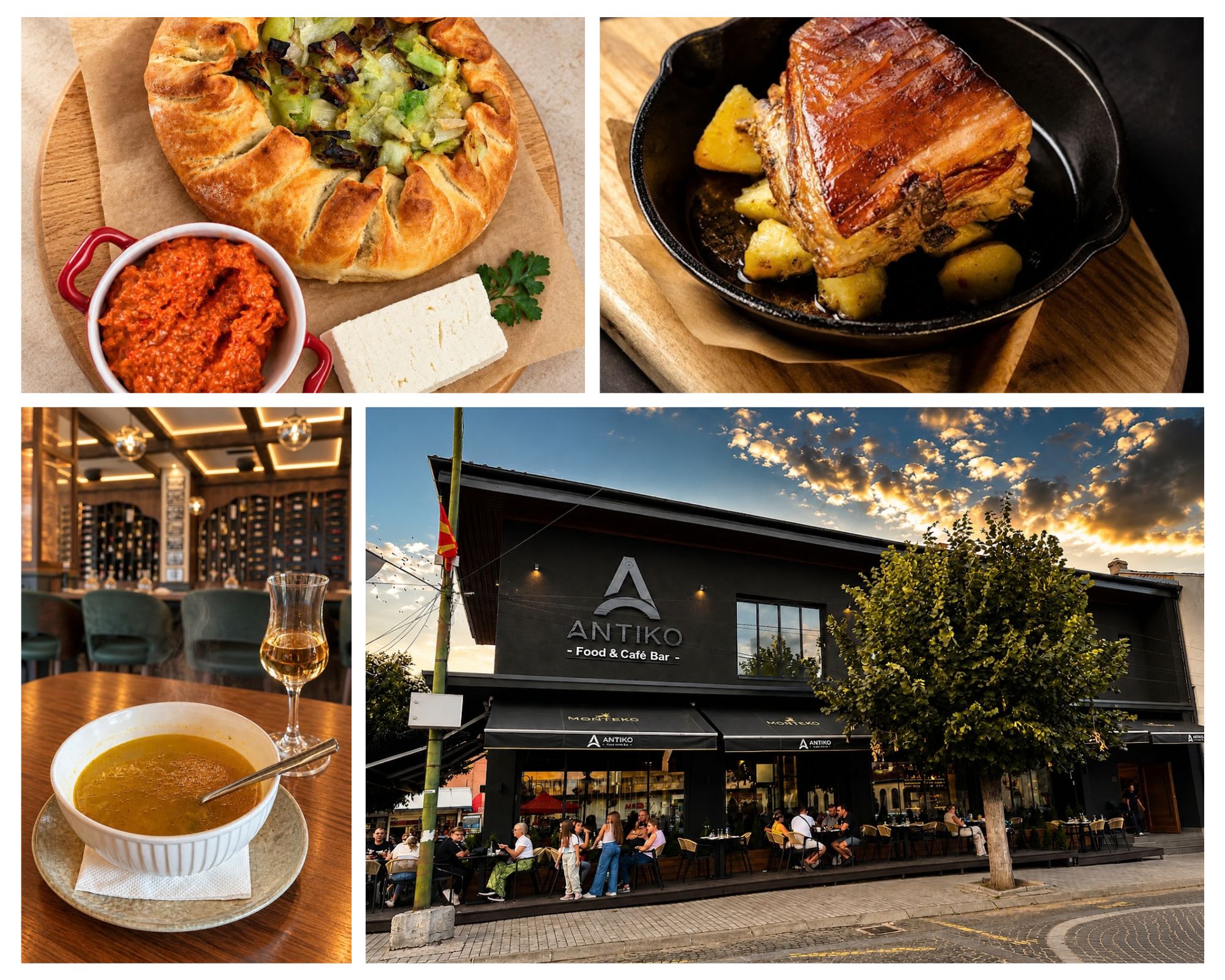
From an Idea to a Destination: The Story of Antiko in the Heart of Berovo
In the heart of Berovo, Antiko welcomes you with homemade flavors, a warm atmosphere, and genuine hospitality — a place where good moments are shared around the table.
Bolotana – The Village of Centenarians: Does Macedonia Have Its Own “Blue Zone”?
Bolotana in Sardinia is known for its remarkable number of centenarians. What lies behind their longevity, and does Macedonia have its own village of long-lived residents?
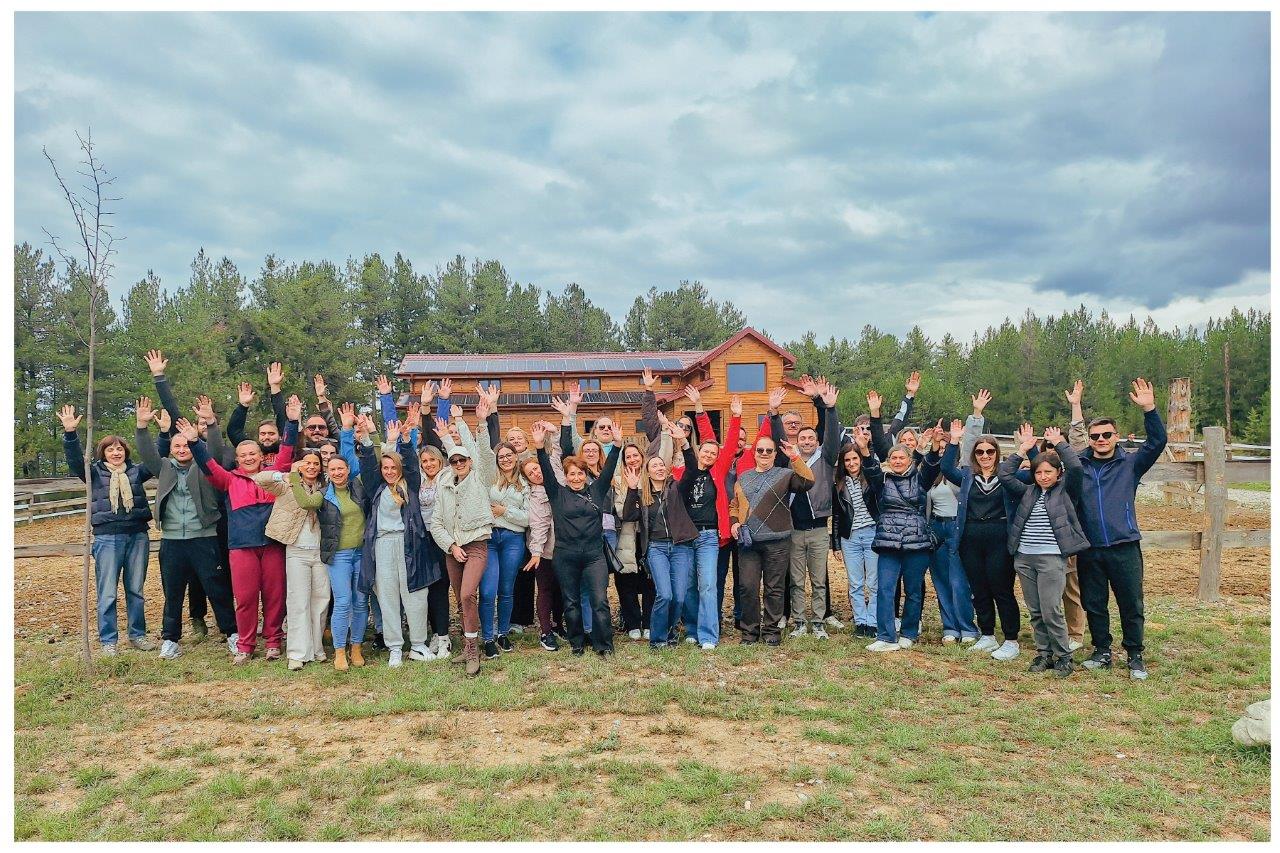
Another Successful Team-Building Experience by Kajak.mk!
Another Team-Building Experience Organized by Kajak.mk!
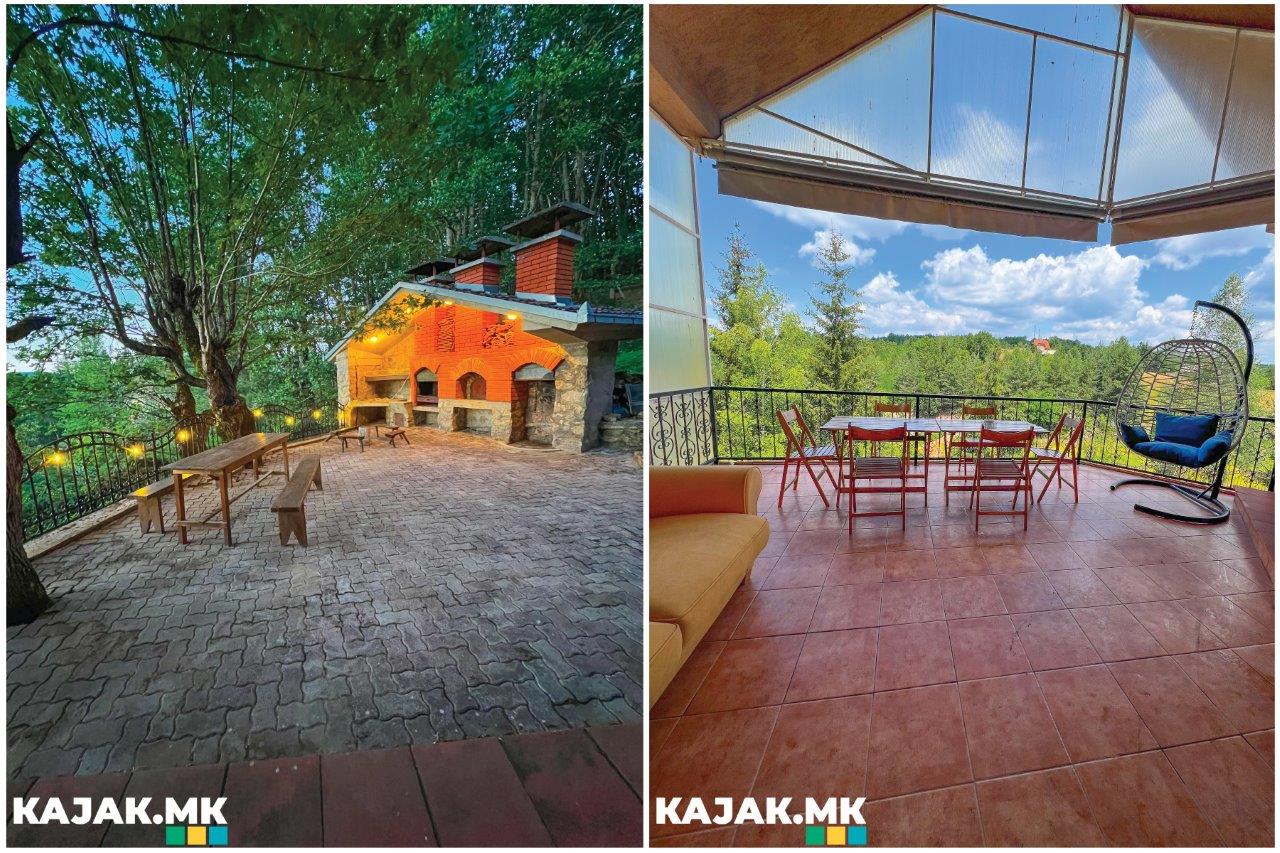
Kajak.mk with a New Mountain Accommodation on Mount Obozna – 1,000 m Above Sea Level!
Just when you think you’ve seen and visited everything in Macedonia, Kajak.mk takes you to a new place and a new destination!