07.08.2020

From Valandovo to Plavush: Local Greenery for Boring Weekends

From Valandovo to Plavush: Local Greenery for Boring Weekends

This religious sanctuary is located in a picturesque area of Mount Plavush, northwest of Valandovo, nestled in the silence and tranquility of nature, whose beauty is most admired by the eyes of the traveler, the curious visitor.

In the Middle Ages, a very beautiful church existed in this area, dedicated to Saint George, from which radiated the beauty of the Valandovo landscape. It was built by the Serbian Emperor Stefan Dušan in 1349, and was constructed by builders with a well-developed sense of aesthetics. In 1349, the church, together with its property, was donated by Emperor Dušan to the Athonite Monastery on Mount Athos. The church charter emphasized that the medieval Saint George Church had properties in the territories of Valandovo, Pirava, and Rabrovo.

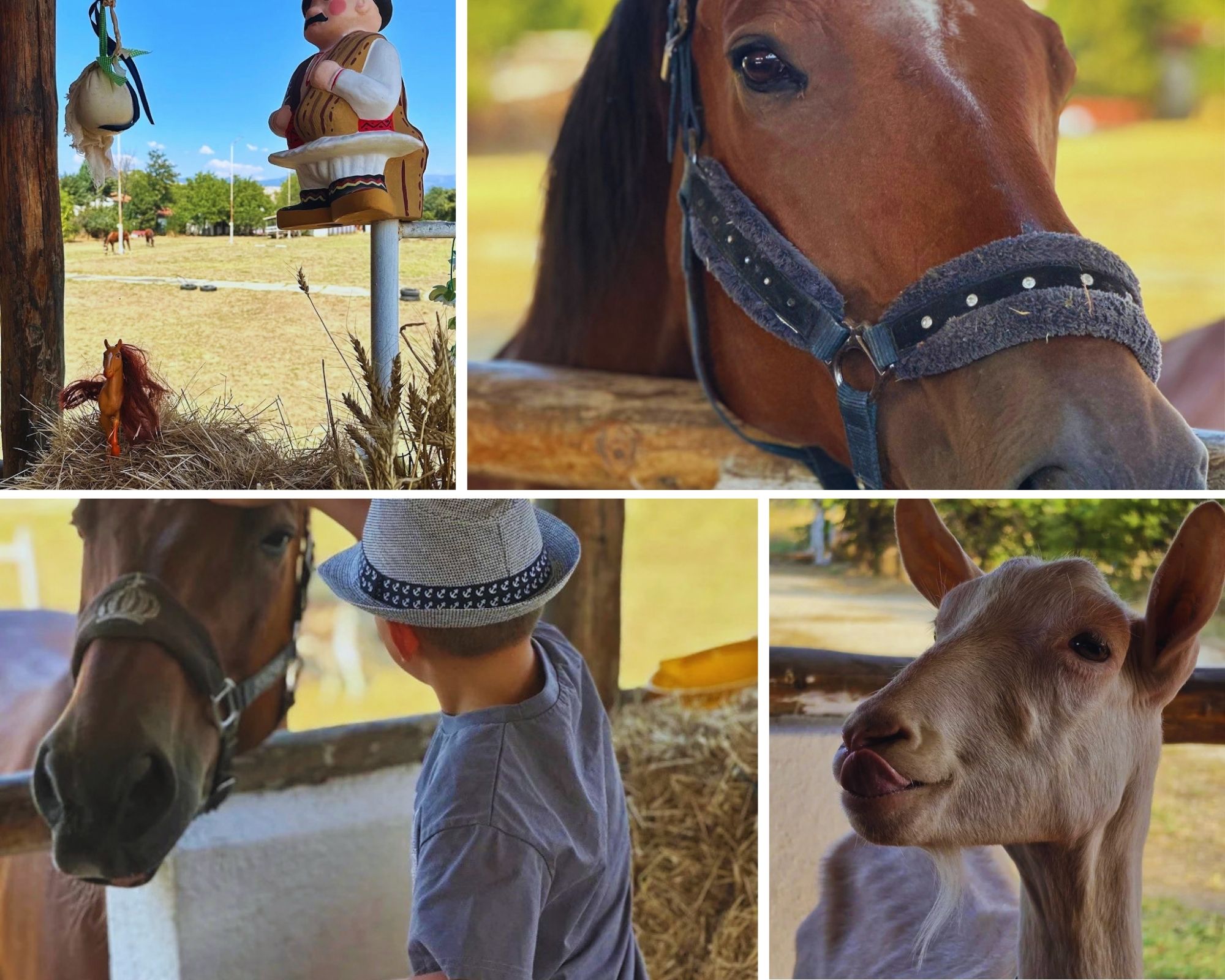
According to an old legend, when Marko Kraljević was returning from Prilep after a walk in the Belasica mountain, where he tested his strength by throwing large stones into Lake Dojran, one of which landed in the area of Dikili Tas, northwest of Dojran, after crossing the Anska River, his horse Šarec stopped near Valandovo, in the area known as Manastirot. He entered the Saint George Church and prayed to God. After a brief rest, he continued his journey to Prilep.

After the arrival of the Ottomans in Valandovo, the Saint George Church became a monastery. The monastery church and the surrounding buildings were enclosed by high, thick walls, fastened with a heavy iron gate.

The church is built of stone, and its foundation is one step lower than the level of the concrete porch, which is slightly higher than the ground level. This single-nave church with a low vault, oriented east-west, is located near the shore of a small valley. Some of the icons were made after the 1931 earthquake that destroyed the church, but there are also newer ones. The altar screen, which makes up the small iconostasis, has the thickness of the icon frames. In the middle of the southern wall is the so-called bishop's throne, and to the left of it are the icons.

Today, the monastery area is beautifully maintained and transformed into a recreational spot, a place for enjoyment and rest. The environmental shaping of the space around the monastery will contribute to making this sanctuary not only a place for the development of intense religious life but also for relaxation and recreation.

Written by: Blaže Trajkov

Leave a Comment

Read More

Marina Grows Cotton and Crafts It into Clothing

Meet Marina, an artist creating textiles, clothing, and jewelry from sustainable materials. Her work blends tradition, natural resources, and a commitment to people and the planet.

Alternative Tourism in Macedonia: How Local Experiences Are Changing the Way People Travel

Alternative tourism in Macedonia with a focus on local experiences, authentic adventures, and human stories. Discover a new way to travel.

A Macedonian Family Wins Over Germany with Food and Hospitality

Од Струмица до Леверкузен: семејна приказна за храброст, вкус и успех. Приказните за успешните македонци достапни на Кајак.мк и Macedonia Abroad.

Anti-Instagram Macedonia: Destinations Off the Trend, Chosen by Conscious Travelers

Discover the concept of Anti-Instagram tourism in Macedonia – travel without crowds, filters, or staged experiences. An analysis of the new traveler profile.

BIT 2026 Milan: Global Hub for Innovative and Sustainable Tourism

BIT 2026 in Milan kicks off today! Discover the latest tourism trends, innovations, sustainable travel, and global opportunities for tour operators and destinations, including North Macedonia.

I encourage people to buy fresh Macedonian products directly from local gardens and farmers

Meet Filip Dimkoski — agronomist, journalist, and founder of “Filip’s Garden,” teaching people how to grow their own organic food.