20.08.2026
How High Temperatures Affect Bees and Pollination in Macedonia
How High Temperatures Affect Bees and Pollination in Macedonia

How High Temperatures Affect Bees and Pollination in Macedonia
High temperatures affect more than just bee activity. Heat stress can alter bee behavior, food availability, plant flowering periods, and the relationship between pollinators and plant life. As heatwaves become more frequent, this is becoming an increasingly important issue for beekeeping, agriculture, and biodiversity conservation.
Bees are among the most important pollinators in terrestrial ecosystems. There are more than 25,000 bee species, the majority of which are wild. Other insects, including butterflies, moths, flies, wasps, bumblebees, and beetles, also contribute to pollination.
For this reason, the question of how high temperatures affect bees goes far beyond honey production. It is part of a broader issue involving pollination, plant productivity, biodiversity, and ecosystem resilience.
How do bees regulate temperature?
Bees have developed mechanisms to maintain suitable conditions within the colony. In honey bees, worker bees can collect and bring water into the hive, distribute it, and use their wings to create airflow and promote evaporation.
In this way, the colony actively regulates the microclimate inside the hive. When outdoor temperatures are high, some worker bees focus on cooling the colony rather than collecting nectar and pollen.
This shows how high temperatures can affect the overall organization and activity of a bee colony.
Heat stress changes bee behavior
At high temperatures, bees may change the timing and intensity of their flights. Reduced activity outside the hive also means less time available for collecting nectar and pollen.
Different bee species do not respond to high temperatures in the same way. Their tolerance depends on the species, physiology, habitat, and local environmental conditions.
For ecosystems, therefore, it is not only important whether average temperatures are rising, but also how frequently extreme temperatures occur and how long heatwaves last.
The problem goes beyond bees
The effects of high temperatures do not end with pollinators themselves.
Bees depend on plants as a source of nectar and pollen, while many plants depend on pollinators for successful reproduction. This creates an interconnected system in which changes affecting one part can have consequences for the others.
High temperatures and drought can affect plant productivity, the availability of nectar and pollen, and flowering periods. If plant flowering and peak pollinator activity no longer coincide, a phenomenon known as phenological mismatch can occur.
This is one reason why climate change is becoming an increasingly important issue for the future of pollination.
Why is pollination important for food production?
Pollination is one of the fundamental ecosystem processes on which many agricultural crops depend.
Pollinator diversity is particularly important because different species have different periods of activity and varying tolerance to weather conditions.
Protecting different pollinator species is therefore not only a matter of nature conservation. It is also directly connected to the stability of agricultural ecosystems.
Under changing climatic conditions, pollinator diversity can contribute to greater ecosystem resilience because different species do not respond identically to the same temperature stress.
Climate change is not the only pressure
High temperatures are not the only factor affecting pollinators.
They are also affected by habitat loss and fragmentation, intensive agriculture, monocultures, pesticide use, diseases, parasites, shortages of food and water, and changing climatic conditions.
This is why protecting pollinators requires a broader approach.
Preserving meadows, forest edges, natural vegetation, water resources, and diverse agricultural landscapes creates better conditions for pollinators throughout the season.
What does this mean for Macedonia?
Macedonia has a great diversity of natural and agricultural landscapes. From lowland agricultural regions to mountainous areas, different elevations and plant communities create diverse conditions for beekeeping and wild pollinators.
For beekeeping, the condition of the surrounding ecosystem is directly connected to the availability of food for bees. Changes in temperature, periods of drought, and shifts in flowering periods are therefore factors that deserve greater attention.
Mountain and rural areas are particularly important because of their diverse natural vegetation and seasonal availability of flowering resources.
Beekeepers as observers of environmental change
Beekeepers follow the seasonal cycles of bees and plants on a daily basis. Changes in flowering periods, nectar availability, bee activity, and honey yields are among the phenomena that can be observed at a local level.
However, beekeepers' observations should be distinguished from scientific measurements. Establishing long-term climate trends requires systematic data and scientific research.
Combining scientific data with local knowledge can provide a better understanding of how changing climatic conditions are affecting beekeeping.
What can help bees during periods of high temperatures?
Protecting pollinators does not depend solely on beekeepers. The condition of the landscapes where they live and forage is equally important.
Important measures include preserving natural and semi-natural vegetation, maintaining flowering plants throughout different periods of the season, protecting meadows and forest edges, ensuring access to water, conserving natural habitats, and using pesticides carefully.
It is particularly important to maintain a diversity of plant species that flower at different times. This provides pollinators with longer and more stable access to food.
Beekeeping and sustainable tourism
Beekeeping can also be an important part of the tourism offering in rural and mountainous regions.
Visiting an apiary, learning about honey production, tasting local products, and meeting beekeepers provide direct contact with the local economy and natural heritage.
For visitors, this is an opportunity to understand where food comes from, how a bee colony functions, and how strongly local production depends on the condition of the natural environment.
One place worth visiting
In southern Macedonia, near Gevgelija, Alchinov Beekeeping Farm is a family beekeeping business with a tradition dating back to 1878. Today, the farm includes stationary and migratory apiaries, an educational apiary, and an api-therapy center.
The farm is interesting not only for those who want to taste or purchase honey, but also for visitors who want to learn more about beekeeping, bee products, and the importance of bees for the natural environment.
Bees as part of a wider ecosystem
Bees are not an isolated element of nature. They are part of a system connecting plants, insects, agriculture, water, soil, and climatic conditions.
High temperatures are only one of the factors that can disrupt this balance. When combined with drought, habitat loss, declining plant diversity, and other pressures, the risks for pollinators become greater.
Protecting bees should therefore not be reduced to protecting honey bees and honey production. It is equally important to conserve wild bees and other pollinators, as well as the natural conditions that allow them to survive.
For Macedonia, this is an issue that connects nature, agriculture, local production, and tourism. Preserving meadows, forests, mountain landscapes, and traditional agricultural areas means preserving the conditions in which bees, plants, and agriculture can continue to function.
Блог
Препораки
Read More

Smart Travel in the Digital Age: How to Book Safely and Avoid Scams
Discover how to use technology wisely when travelling, choose reliable accommodation, make secure online payments, protect your personal data, and avoid travel scams.
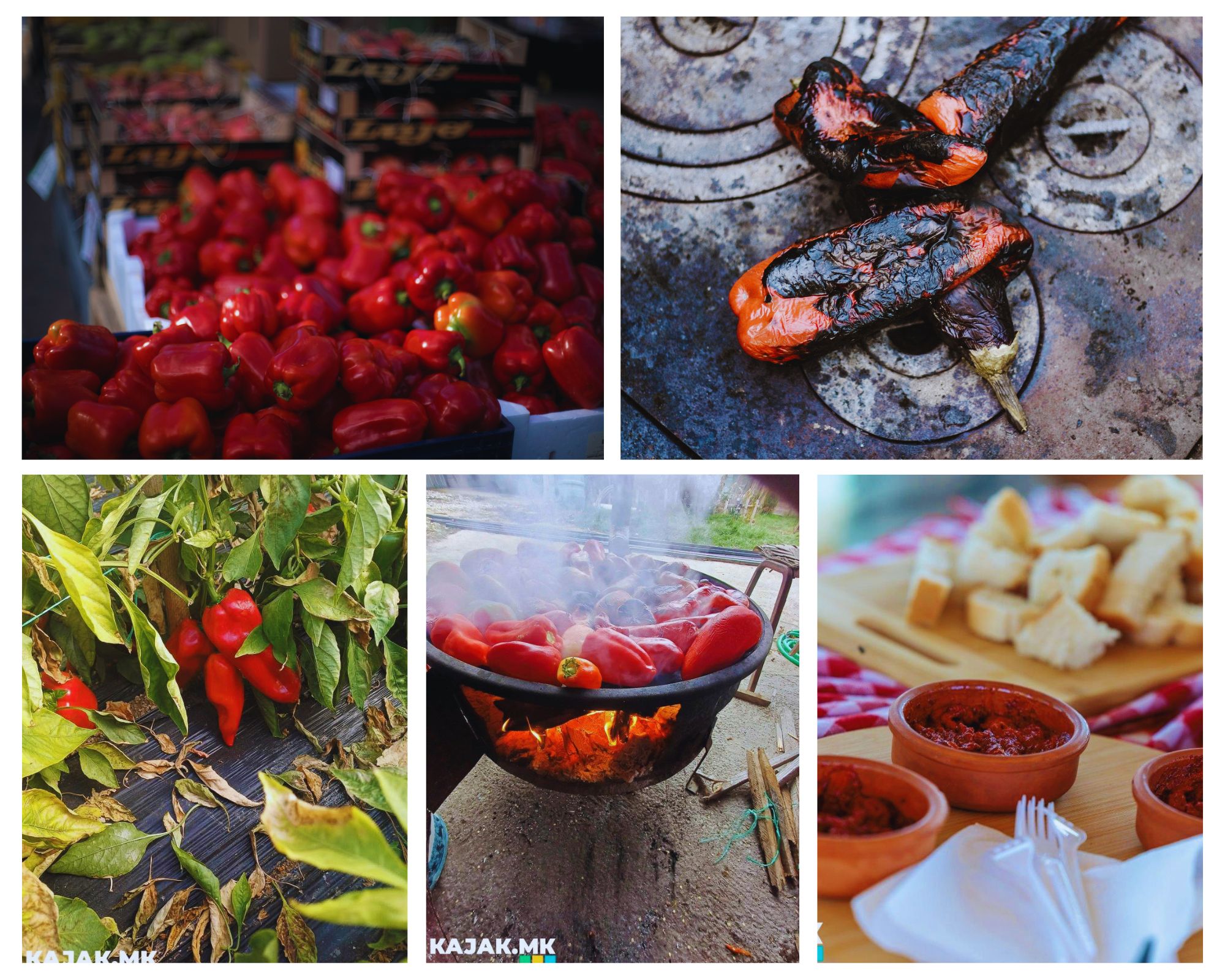
Macedonian Ajvar – Tradition, Homemade Food and Autumn Flavours
Discover the story of Macedonian ajvar, the tradition of making homemade preserves, family customs and authentic culinary experiences in Macedonia.
10 Affordable Cities in Europe for a Weekend Getaway
Discover 10 affordable European cities for a weekend getaway. Explore interesting destinations and learn how to plan your travel budget.
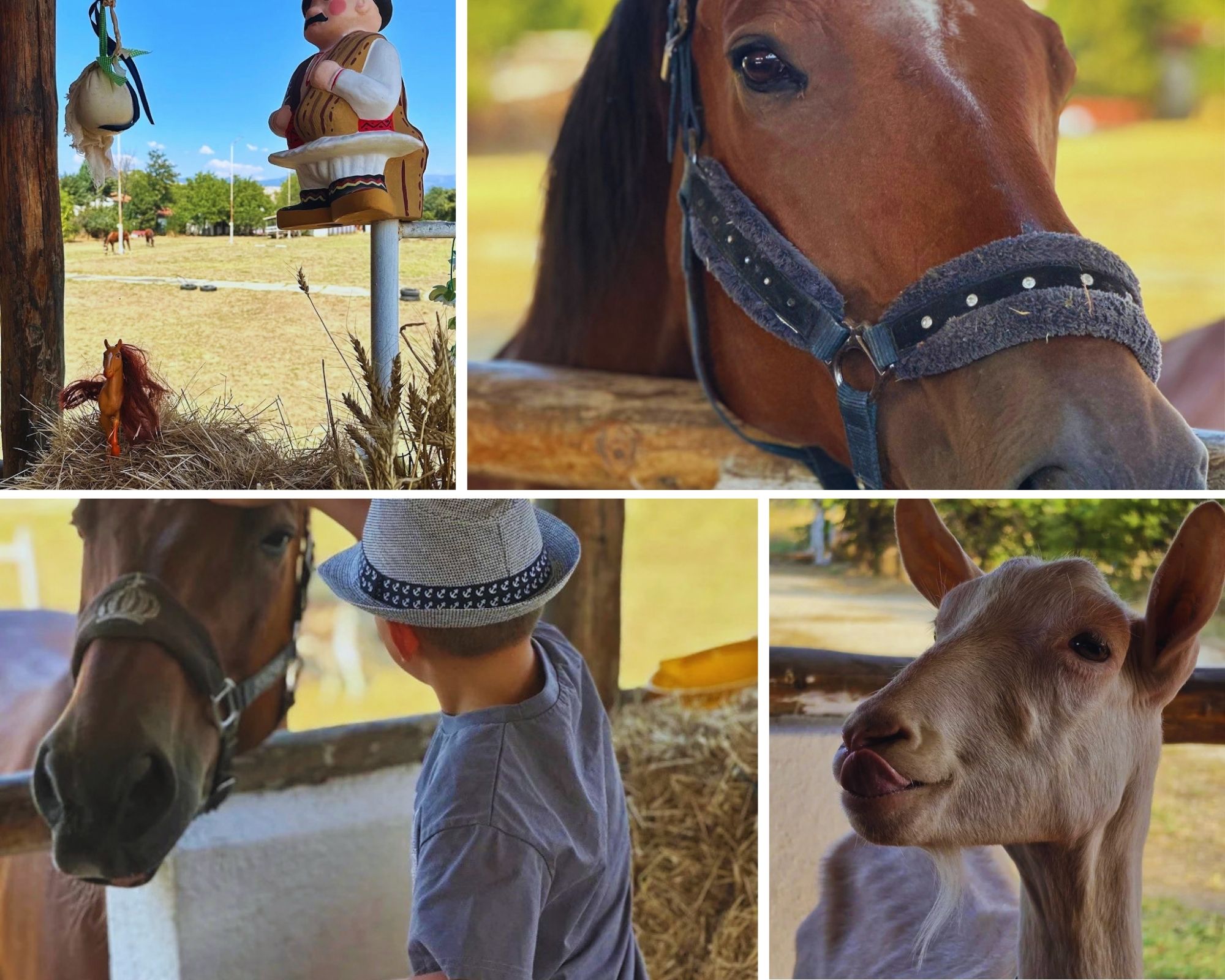
What to Do This Weekend in Skopje? | Kajak.mk
Looking for weekend ideas in Skopje? Discover horse riding, donkey walks, carriage rides, and fun outdoor activities with Kajak.mk.

Skopje Now Connects to 50 Direct Destinations as Travel from Macedonia Surges 29%
Skopje connected to 50 direct destinations in summer 2026, while passenger numbers from Skopje and Ohrid rose by 29%.

From an Idea to a Destination: The Story of Antiko in the Heart of Berovo
In the heart of Berovo, Antiko welcomes you with homemade flavors, a warm atmosphere, and genuine hospitality — a place where good moments are shared around the table.