02.02.2026
Dark Sky Tourism: A Growing Global Trend Unlocking New Opportunities for Destinations
Dark Sky Tourism: A Growing Global Trend Unlocking New Opportunities for Destinations

What is Dark Sky Tourism?
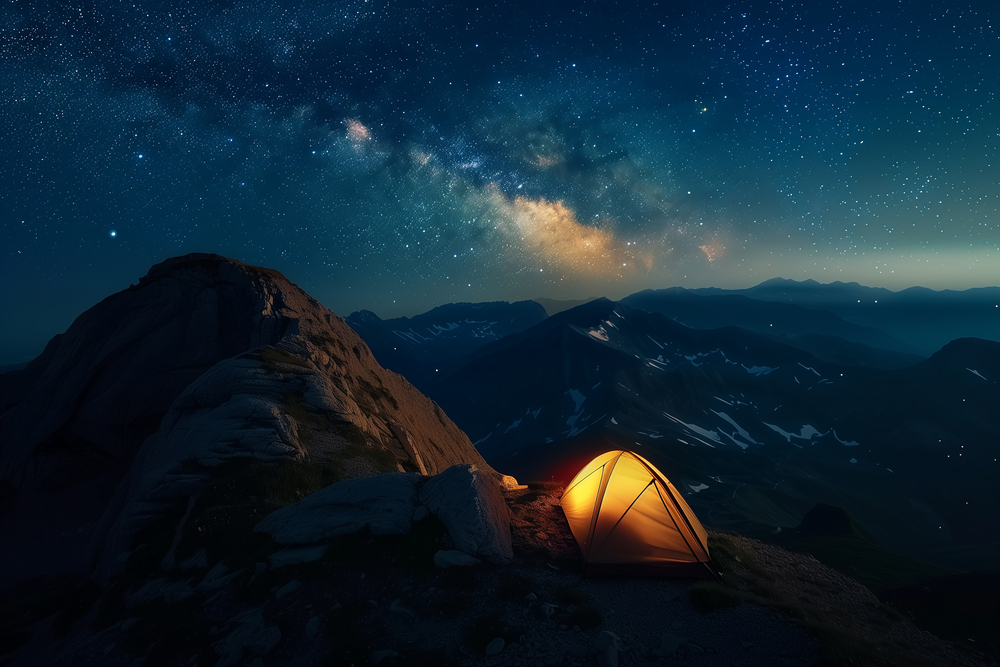
Dark Sky Tourism refers to a niche segment of travel focused on visiting areas with minimal or no light pollution, where visitors can fully enjoy the natural night sky. This type of tourism includes activities such as stargazing, observing the Milky Way, meteor showers, and other astronomical phenomena, as well as night photography. It is most often developed in rural and mountainous regions, far from urban centers.
Why is Dark Sky Tourism Gaining Importance?
In recent years, rapid urbanization and increased light pollution have significantly reduced the number of places where the natural night sky can be experienced. As a result, there is growing interest in authentic, peaceful, and nature-focused travel experiences. Dark sky tourism is closely associated with concepts such as sustainable tourism, slow travel, escaping urban stress, and a rising demand for experiential travel.
This trend is particularly appealing to individual travelers, couples, nature enthusiasts, photographers, and digital nomads seeking unique and immersive travel experiences.
Global Examples and Concept Development
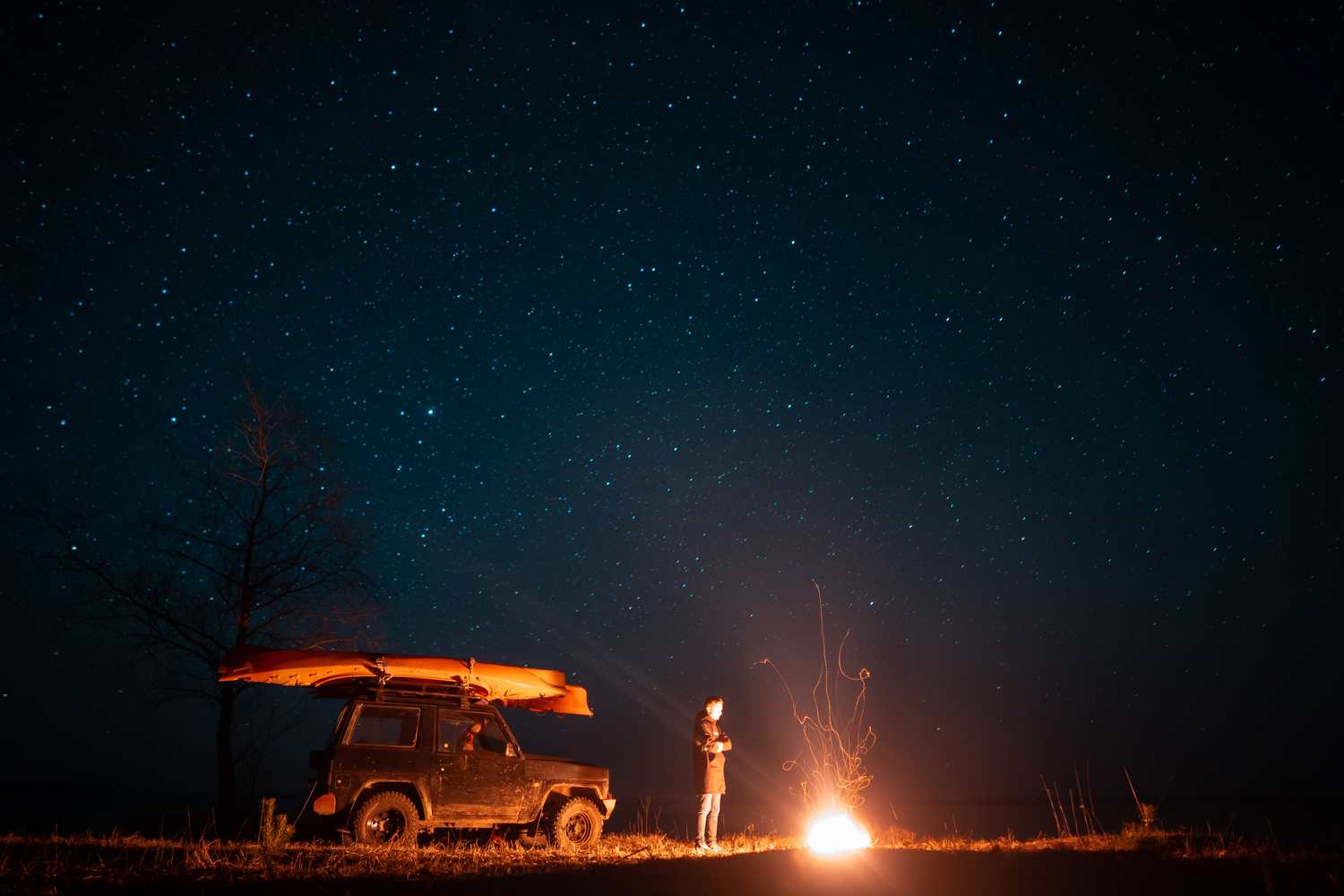
Globally, countries such as Spain, New Zealand, Chile, Iceland, and the United States have been actively developing official “Dark Sky Parks” and “Dark Sky Reserves,” supported by international organizations dedicated to protecting the night sky. In these destinations, dark sky tourism is integrated with eco-friendly accommodations, organized night tours, educational astronomy programs, and local gastronomy.
This approach results in longer tourist stays and higher added value per visitor, making the concept both economically and environmentally sustainable.
Macedonia’s Potential for Dark Sky Tourism
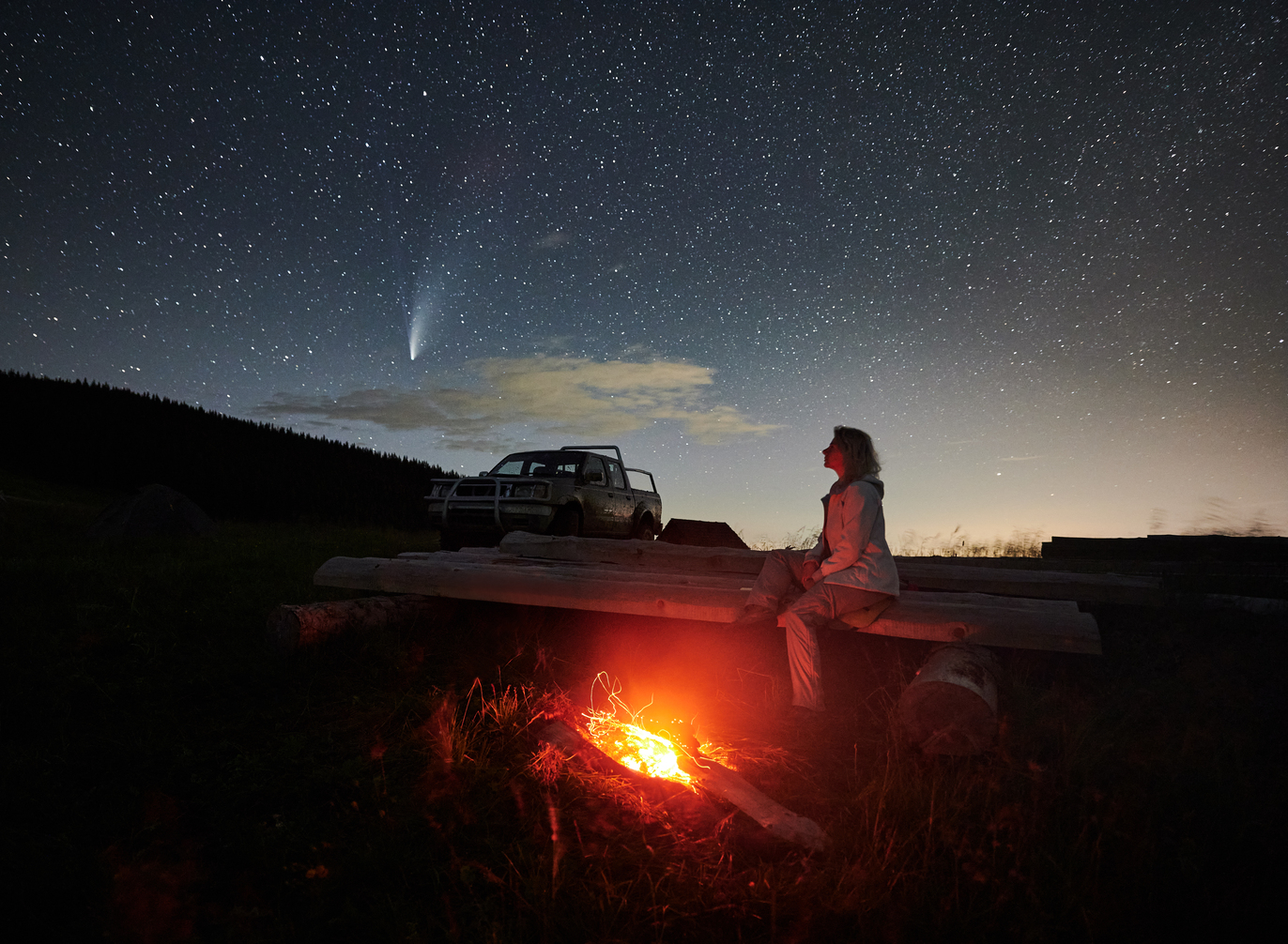
Macedonia has significant natural potential for the development of dark sky tourism. Many rural and mountainous areas have low levels of light pollution, making them ideal for this type of tourism. Regions such as Mariovo, Pijanec–Maleshevo, the Osogovo Mountains, Jablanica, Galichica, and the rural parts of Pelagonia are particularly attractive locations.
These areas can be positioned as destinations for sustainable and experiential tourism without the need for major infrastructure investments, relying instead on smart management and promotion of existing natural resources.
How Dark Sky Tourism Can Be Integrated into Local Offerings
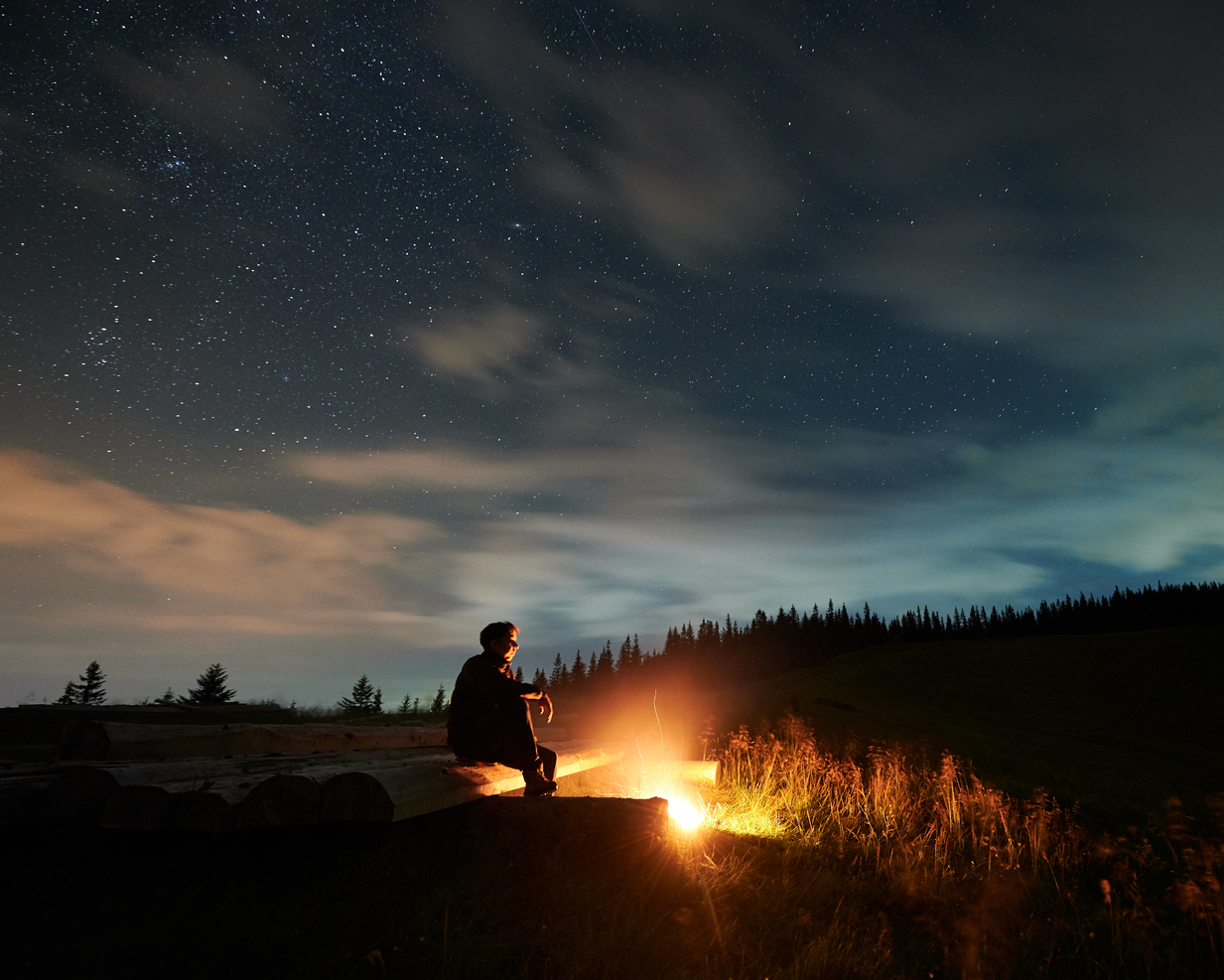
Dark sky tourism can be easily combined with existing tourism products. It can be paired with stays in rural guesthouses and mountain lodges, offerings of local and traditional cuisine, hiking and cycling tours, as well as photography and educational astronomy workshops.
With proper promotion and involvement of local communities, this type of tourism can contribute to the decentralization of tourism development and increase economic benefits in rural areas.

Dark sky tourism represents a modern and sustainable travel trend with growing global interest. For countries with rich natural environments and low light pollution, such as Macedonia, it presents a real opportunity to develop new tourism products and enhance their positioning on the international tourism map. With a clear strategy, collaboration with local communities, and effective promotion, dark sky tourism can become a significant part of the country’s tourism offerings in the future.
Блог
Препораки
Read More

Team Building in Slovakia, Plus a Bonus Trip to Vienna!
Тим билдинг во Словачка со Кајак.мк, плус бонус трака до Виена!

Smart Travel in the Digital Age: How to Book Safely and Avoid Scams
Discover how to use technology wisely when travelling, choose reliable accommodation, make secure online payments, protect your personal data, and avoid travel scams.
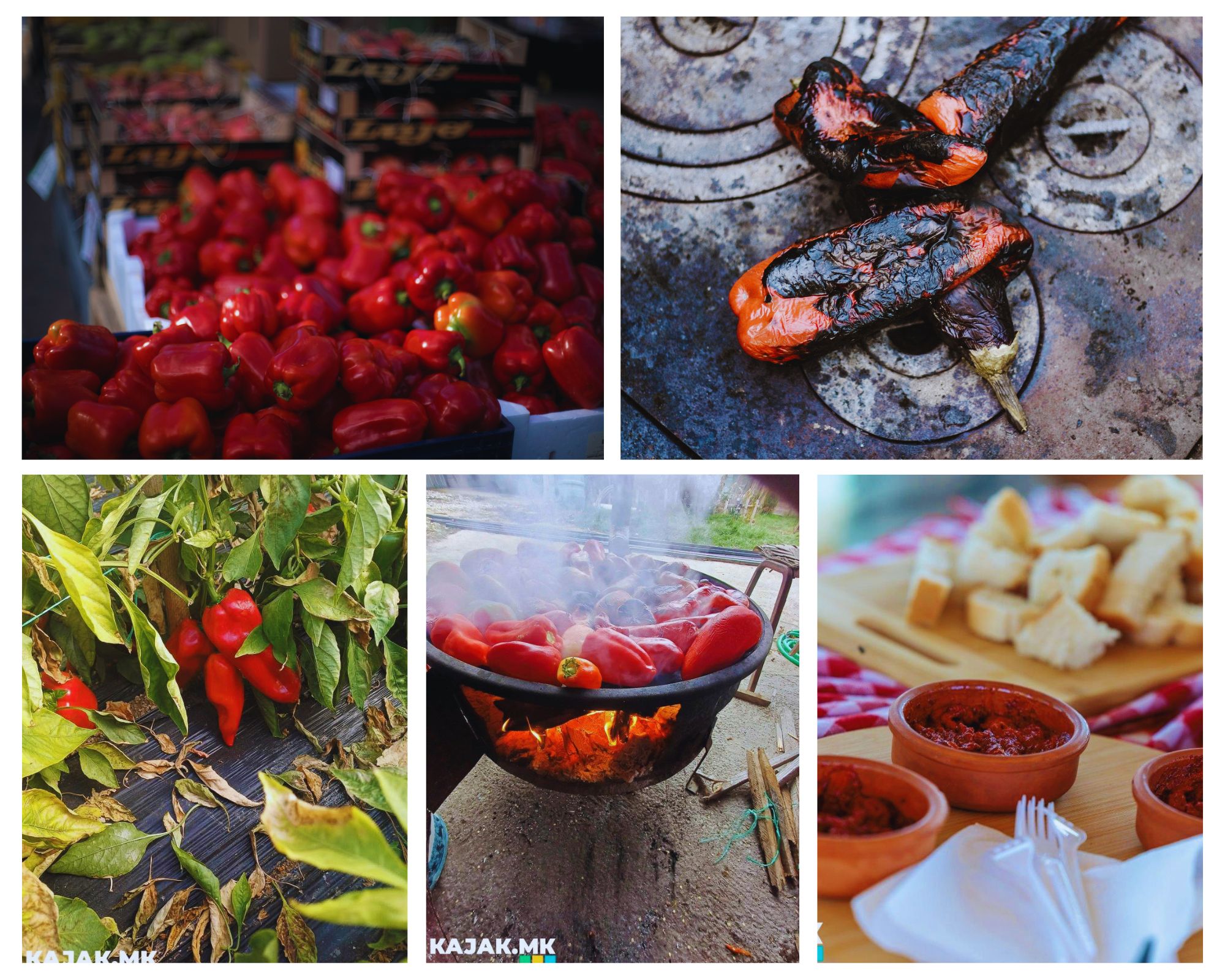
Macedonian Ajvar – Tradition, Homemade Food and Autumn Flavours
Discover the story of Macedonian ajvar, the tradition of making homemade preserves, family customs and authentic culinary experiences in Macedonia.
10 Affordable Cities in Europe for a Weekend Getaway
Discover 10 affordable European cities for a weekend getaway. Explore interesting destinations and learn how to plan your travel budget.

What to Do This Weekend in Skopje? | Kajak.mk
Looking for weekend ideas in Skopje? Discover horse riding, donkey walks, carriage rides, and fun outdoor activities with Kajak.mk.
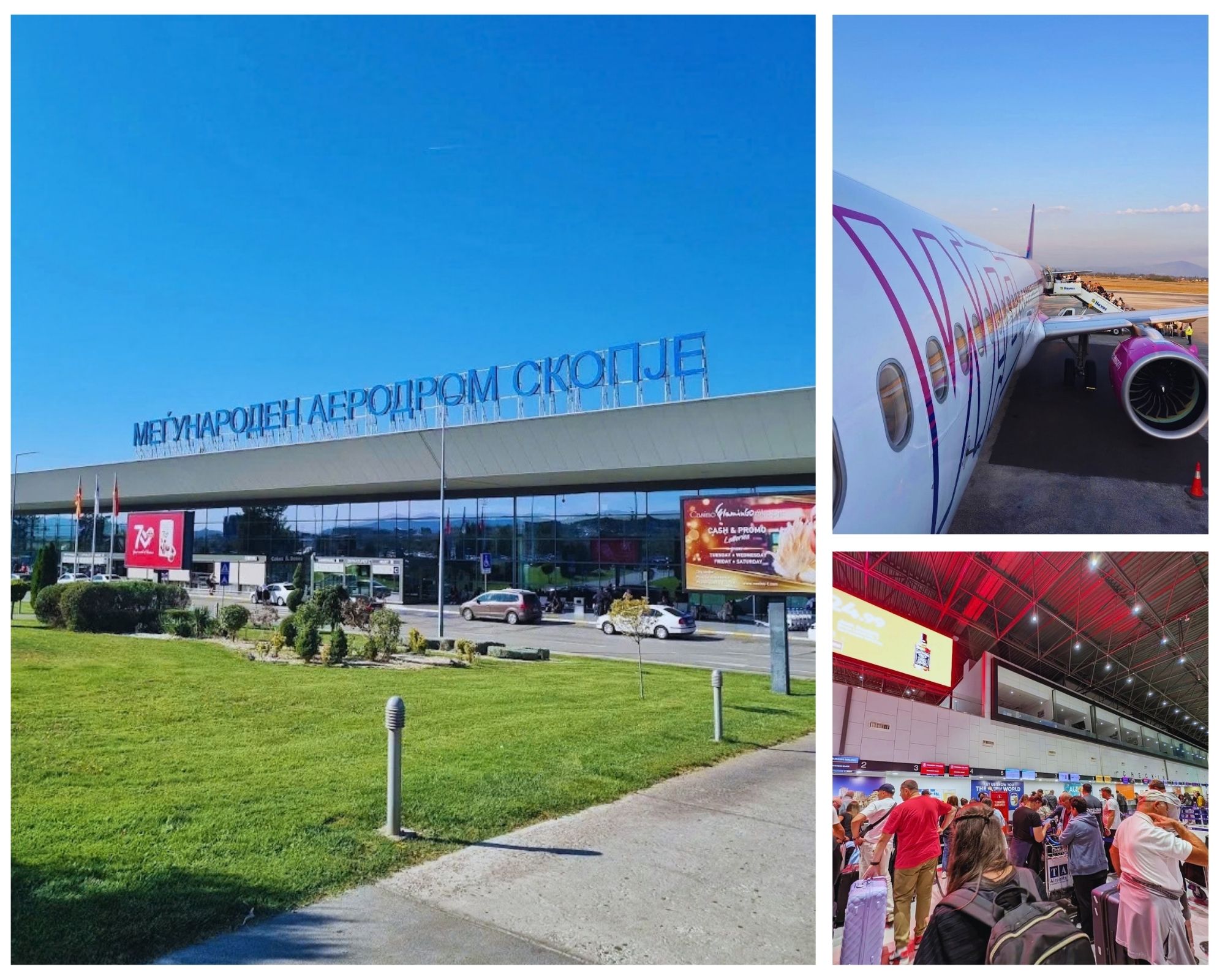
Skopje Now Connects to 50 Direct Destinations as Travel from Macedonia Surges 29%
Skopje connected to 50 direct destinations in summer 2026, while passenger numbers from Skopje and Ohrid rose by 29%.