14.09.2026
Khiva – The Ancient Silk Road City Named by National Geographic as a Top Destination for 2026
Khiva – The Ancient Silk Road City Named by National Geographic as a Top Destination for 2026

Khiva – A City That Looks Frozen in Time
Some cities do not need to be new to be rediscovered. Khiva is one of them. This ancient city in Uzbekistan was once an important stop along the Silk Road, and today it is attracting the attention of travelers from around the world once again.
National Geographic has included Khiva among the destinations it recommends for 2026 as part of its “Best of the World” list. It is another sign of the growing interest in Central Asia, particularly in places that offer authentic cultural and historical experiences.
What makes Khiva especially fascinating is the combination of exceptionally well-preserved architecture, more than two millennia of history, and an atmosphere that can easily make visitors feel as though they are walking through another era.
Itchan Kala – The Heart of Old Khiva
At the center of Khiva lies Itchan Kala, the ancient walled city surrounded by massive defensive walls.
Behind them are mosques, madrasas, mausoleums, palaces, and minarets, all connected by narrow streets that are best explored on foot.
Itchan Kala is a UNESCO World Heritage Site and one of the most significant preserved historical complexes in Central Asia.
Walking through the old city is an experience in itself. Ornate facades, blue and turquoise ceramic tiles, traditional wooden doors, and towering minarets create the impression that time has stood still.
Khiva and the Silk Road
In the past, Khiva was one of the important stops along the Silk Road – the network of trade routes that connected China, Central Asia, Persia, and Europe for centuries.
Caravans traveled through the region carrying silk, spices, textiles, ceramics, and other goods. But alongside merchandise, people, languages, religions, ideas, and cultures also traveled these routes.
This heritage is precisely what makes Khiva so appealing to modern travelers. A visit is not simply about seeing historic buildings; it is an opportunity to experience a part of the history of one of the most important trade networks in human civilization.
What to See in Khiva
One of the city's most recognizable landmarks is the Islam Khodja Minaret. Rising above the old city, the minaret is one of Khiva's most iconic structures.
Climbing to the top is part of the experience, particularly for the panoramic views over Itchan Kala, its walls, domes, and other minarets.
The Juma Mosque is another remarkable sight, best known for its unusual interior featuring 213 wooden columns. Some date back to the medieval period, while the intricate carvings make them among the most fascinating details of the mosque.
The Pahlavan Mahmud Mausoleum is also worth visiting. Pahlavan Mahmud was a poet, philosopher, and renowned wrestler who eventually became one of the city's most important spiritual figures.
Outside the main historic complex stands the Nurullaboy Palace, an intriguing blend of traditional local architecture and influences from the Russian Empire.
Khiva Is More Than Architecture
Although its historic buildings are the main reason to visit, Khiva can also be discovered through its food.
One local specialty worth trying is shivit oshi – green homemade noodles made with fresh dill and typically served with meat, vegetables, and sauce.
Then there is plov, one of the most famous dishes in Uzbek cuisine. Rice, meat, carrots, and spices are cooked together, with different regions offering their own variations.
For travelers, these local flavors are an essential part of the story. Khiva is experienced not only through what you see, but also through what you taste, hear, and discover.
Why Is Khiva Especially Interesting in 2026?
One of the reasons National Geographic has highlighted Khiva is the improvement of its transportation connections.
In 2026, improved rail connections are expected to make it easier to travel between Khiva and other major tourist destinations in Uzbekistan, including Bukhara and Samarkand.
At the same time, the nearby Urgench International Airport is undergoing expansion, which is expected to allow it to handle a greater number of passengers.
For travelers, this means Khiva is gradually becoming easier to combine with other destinations across Uzbekistan.
When Is the Best Time to Visit Khiva?
Spring and autumn are among the best seasons to visit.
During these periods, temperatures are more comfortable for walking and exploring the old city. Summers in this part of Uzbekistan can be extremely hot, while winters are cold.
An especially interesting time to visit is around March 20 and 21, when Nowruz – the traditional New Year celebrated across the region – takes place. The holiday brings music, celebrations, local food, and cultural events.
Khiva Is Gaining a New Tourism Identity
Khiva's historic heritage is not the only thing evolving.
A new tourism complex inspired by the architecture of Itchan Kala is being developed nearby, featuring accommodation, restaurants, cultural event spaces, and other attractions.
At the same time, new hotel and tourism projects are emerging across the city.
All of this shows that Khiva is preparing for growing international interest while gradually taking on a new role on the modern tourism map.
Khiva – A Rising Star of Central Asia
For years, travelers visiting Uzbekistan have most often placed Samarkand and Bukhara at the top of their itineraries.
But Khiva offers something different.
It is smaller and more compact, allowing visitors to explore much of its historic center on foot. Around every corner, new details emerge – ornate facades, blue tiles, minarets, wooden doors, and centuries-old madrasas.
It is precisely this combination of history, architecture, local culture, and the feeling of stepping into another world that makes Khiva one of the most intriguing destinations for 2026.
For those who want to travel beyond the classic tourist routes, discover places with a strong local identity, and experience the legacy of the Silk Road, Khiva could be one of the most fascinating travel discoveries of 2026.
Perhaps now is the right time to put Khiva on your travel list.
Блог
Препораки
Read More

Team Building in Slovakia, Plus a Bonus Trip to Vienna!
Тим билдинг во Словачка со Кајак.мк, плус бонус трака до Виена!

Smart Travel in the Digital Age: How to Book Safely and Avoid Scams
Discover how to use technology wisely when travelling, choose reliable accommodation, make secure online payments, protect your personal data, and avoid travel scams.
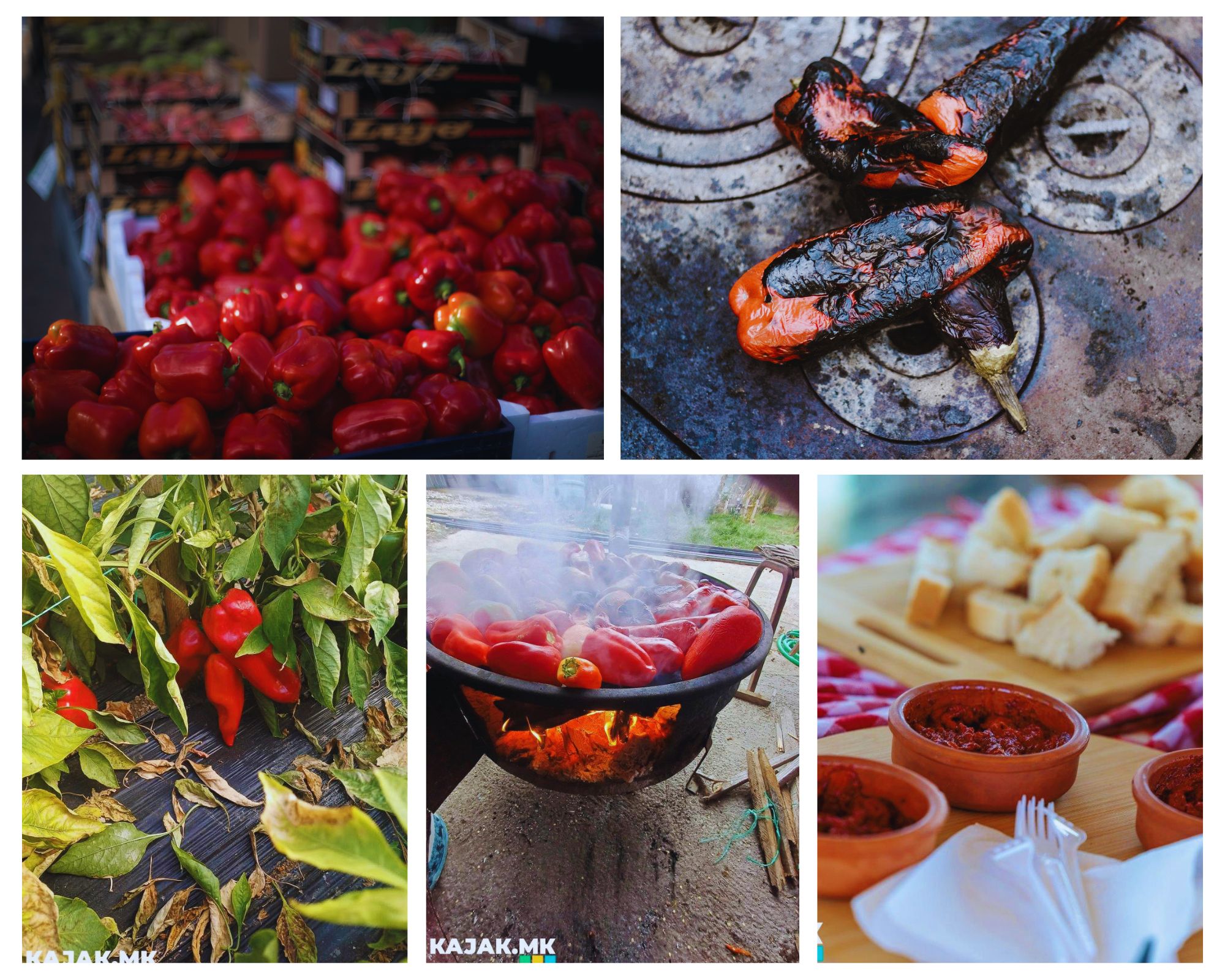
Macedonian Ajvar – Tradition, Homemade Food and Autumn Flavours
Discover the story of Macedonian ajvar, the tradition of making homemade preserves, family customs and authentic culinary experiences in Macedonia.
10 Affordable Cities in Europe for a Weekend Getaway
Discover 10 affordable European cities for a weekend getaway. Explore interesting destinations and learn how to plan your travel budget.

What to Do This Weekend in Skopje? | Kajak.mk
Looking for weekend ideas in Skopje? Discover horse riding, donkey walks, carriage rides, and fun outdoor activities with Kajak.mk.

Skopje Now Connects to 50 Direct Destinations as Travel from Macedonia Surges 29%
Skopje connected to 50 direct destinations in summer 2026, while passenger numbers from Skopje and Ohrid rose by 29%.