28.04.2026

Cruise Industry Restructuring 2026: How Geopolitics Is Changing Global Maritime Tourism Routes

Cruise Industry Restructuring 2026: How Geopolitics Is Changing Global Maritime Tourism Routes

The cruise industry in 2026 is experiencing one of its biggest transformations in recent decades. What was once a stable and carefully pre-planned way of traveling across the world’s seas is now becoming a dynamic system that constantly changes.

Geopolitical developments are directly affecting where cruise ships can operate. Certain regions such as the Red Sea and parts of the Middle East are becoming difficult or high-risk for navigation, forcing companies to redesign their routes. Instead of traditional passages through the Suez Canal, some ships are being redirected on longer journeys around Africa or fully relocated to other regions.

This is creating a major shift in the global cruise map. Companies are carrying out a massive fleet redistribution, with vessels moving from Asia and the Middle East toward the Mediterranean, the Caribbean, and Northern Europe. These regions are emerging as new cruise hubs due to greater stability and predictability.

The changes are not only geographical but also operational. Voyages are becoming longer, more expensive to operate, and less fixed. Cruise lines increasingly retain the right to adjust itineraries depending on global conditions, reducing predictability for travelers but increasing system flexibility.

Interestingly, some regions are experiencing unexpected growth. The Caribbean and Mediterranean are becoming even stronger cruise centers, while Northern Europe is gaining renewed interest. Stability and safety are becoming key decision factors in destination selection.

In essence, cruises in 2026 are no longer strictly predefined routes but an adaptive global network responding to real-time changes. Sea travel is becoming less predictable but also more authentic, as every journey can now look slightly different from what was originally planned.

This is the new reality of maritime tourism — a world where the map is constantly being redrawn directly on the waves.

Leave a Comment

Read More

Bolotana – The Village of Centenarians: Does Macedonia Have Its Own “Blue Zone”?

Bolotana in Sardinia is known for its remarkable number of centenarians. What lies behind their longevity, and does Macedonia have its own village of long-lived residents?

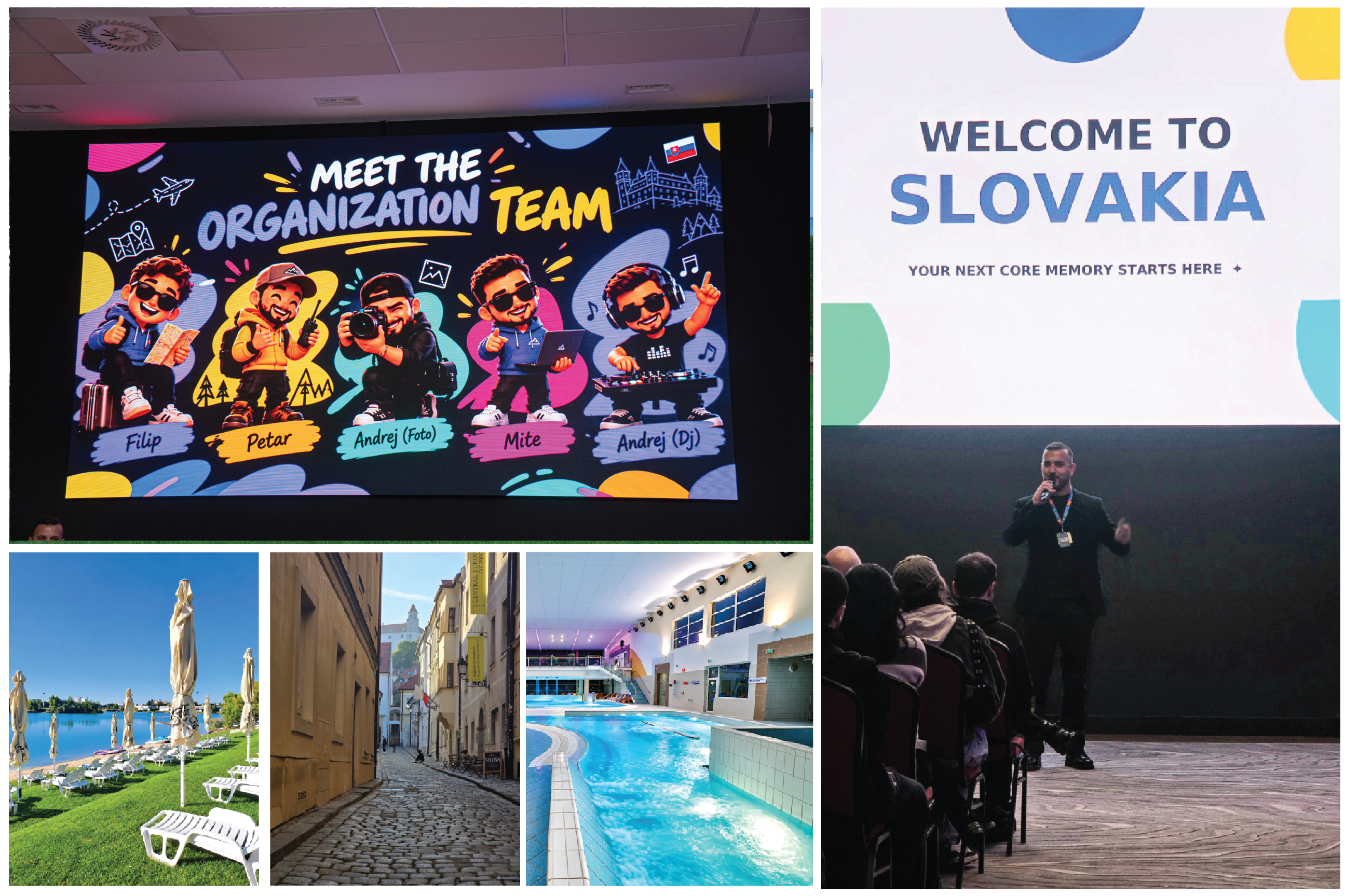
Another Successful Team-Building Experience by Kajak.mk!

Another Team-Building Experience Organized by Kajak.mk!

Kajak.mk with a New Mountain Accommodation on Mount Obozna – 1,000 m Above Sea Level!

Just when you think you’ve seen and visited everything in Macedonia, Kajak.mk takes you to a new place and a new destination!

Kajak.mk Receives a National Award as Macedonia’s Most Successful Online Tourism Platform

Kajak.mk has received a national award as Macedonia’s most successful online tourism platform for 2026. The recognition was presented by the Ministry of Culture and Tourism on the occasion of World Tourism Day, acknowledging Kajak.mk’s contribution to the development and digital promotion of Macedonia as an authentic and attractive travel destination.

Macedonia Tourism: 741,446 Visitors in Seven Months, with Room to Grow

Macedonia has a lot to offer, but its tourism potential is still greater than the numbers suggest In the first seven months of 2026, Macedonia recorded 741,446 tourist arrivals. Growth was modest, and the next step is to encourage longer stays and give visitors more reasons to explore the country.

Weekend in the Mountains? Wildlife You Might Spot in North Macedonia

Planning a hike? Discover the wild animals that live in North Macedonia’s mountains and what to do if you spot a bear, chamois, wolf or snake.