26.06.2026

Coolcation Trend 2026: Summer Travel Shifts Toward Northern and Mountain Destinations

Coolcation Trend 2026: Summer Travel Shifts Toward Northern and Mountain Destinations

Summer 2026 brings a new tourism shift: travel is moving toward cooler destinations. The European tourism market is changing faster than expected. A new trend is becoming increasingly clear, reshaping the summer season, where traditional hot destinations are gradually losing part of their capacity, while interest is shifting toward northern and mountainous regions.

At the center of this shift is the so-called “coolcation” trend, meaning summer holidays in destinations with lower temperatures, more nature, and more comfortable conditions for staying.

Northern Europe as a new hotspot for summer tourism
Iceland, Norway, and Switzerland are recording significant growth in interest, in some segments exceeding 70 percent. This is not a random occurrence, but the result of a longer-term change in traveler behavior. More and more travelers are replacing classic summer destinations with northern regions that offer more comfortable conditions for movement and exploration.

Why travel habits are changing
The reasons behind this trend are multi-layered, but several key factors stand out: more comfortable temperatures for active holidays, greater appeal of natural and mountainous landscapes, avoidance of overcrowded tourist centers, demand for calmer and more authentic experiences. These changes show that travel is becoming more experience-oriented and less seasonally dependent.

Rise of short trips in Europe
Alongside the “coolcation” trend, short trips are also becoming increasingly popular. Instead of one long summer holiday, travelers are more often choosing multiple short getaways throughout the year. This is changing the entire logic of travel planning and demand distribution.

Economic shift in the tourism industry
This trend has a direct impact on the tourism economy. A significant share of spending that was traditionally concentrated in Southern Europe is now shifting toward northern and mountainous destinations. This creates new competition between countries and forces destinations to rethink their offerings and positioning strategies.

What this means for the Balkans
The Balkan countries are in an interesting position within this new tourism cycle. The region has strong potential through mountain tourism, lakes and natural landscapes, less commercialized experiences, but at the same time competes with strongly branded destinations such as Switzerland and Scandinavia, which requires a clearer narrative and stronger presentation.

“Coolcation” is not a short-term trend, but a signal of a deeper shift in tourism behavior. Summer is no longer defined only by sun and beaches, but by comfort, experience, and quality of stay. The European tourism map is gradually being redefined, with new demand clearly moving toward the north and mountainous regions.

Leave a Comment

Read More

Team Building in Slovakia, Plus a Bonus Trip to Vienna!

Тим билдинг во Словачка со Кајак.мк, плус бонус трака до Виена!

Smart Travel in the Digital Age: How to Book Safely and Avoid Scams

Discover how to use technology wisely when travelling, choose reliable accommodation, make secure online payments, protect your personal data, and avoid travel scams.
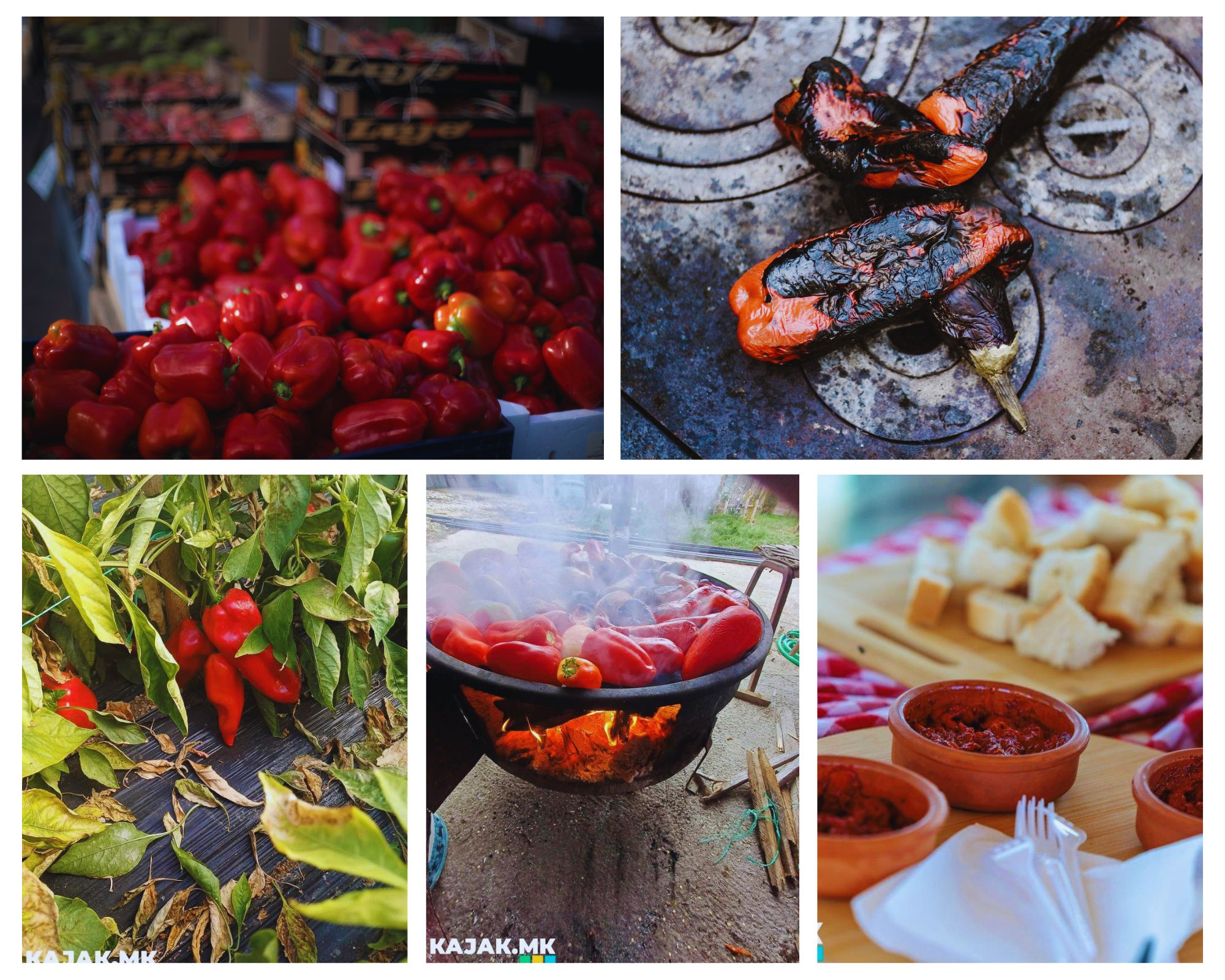
Macedonian Ajvar – Tradition, Homemade Food and Autumn Flavours

Discover the story of Macedonian ajvar, the tradition of making homemade preserves, family customs and authentic culinary experiences in Macedonia.
10 Affordable Cities in Europe for a Weekend Getaway

Discover 10 affordable European cities for a weekend getaway. Explore interesting destinations and learn how to plan your travel budget.

What to Do This Weekend in Skopje? | Kajak.mk

Looking for weekend ideas in Skopje? Discover horse riding, donkey walks, carriage rides, and fun outdoor activities with Kajak.mk.
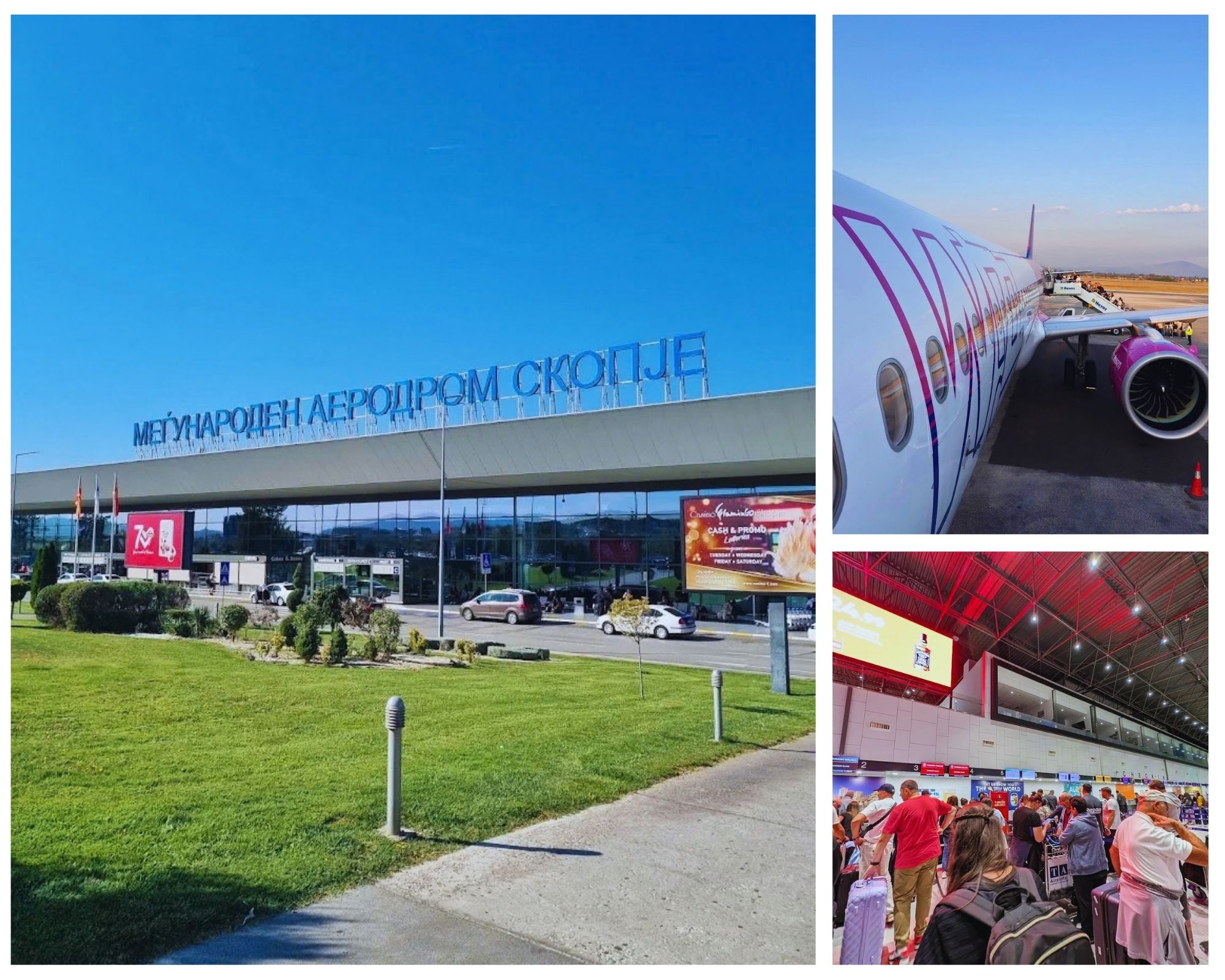
Skopje Now Connects to 50 Direct Destinations as Travel from Macedonia Surges 29%

Skopje connected to 50 direct destinations in summer 2026, while passenger numbers from Skopje and Ohrid rose by 29%.