22.09.2026
Why Does Japan Have So Few Trash Bins Yet Such Clean Streets?
Why Does Japan Have So Few Trash Bins Yet Such Clean Streets?

One of Japan’s biggest tourist mysteries is surprisingly simple: where are all the trash bins? In a country with millions of visitors, crowded streets and enormous cities, public trash bins are surprisingly rare. And yet, the streets are often remarkably clean. So, what is the secret?
Imagine walking through Tokyo.
All around you are thousands of people, shops, restaurants, vending machines, train stations and tourists from all over the world. You buy something to eat, drink some water, and suddenly you are left holding a small amount of waste.
You look for the nearest trash bin.
Nothing.
You keep walking.
Still nothing.
Eventually, you realise that something unusual is happening: Japan has far fewer public trash bins than you might expect from one of the world’s most densely populated and visited countries.
And yet, the streets are clean.
It is not a coincidence.
For visitors, the first reaction is often confusion. In many tourist destinations, public trash bins are considered basic infrastructure. You find them in parks, squares, along sidewalks, near tourist attractions and at bus stops.
In Japan, the logic is different.
Rather than expecting public spaces to have a bin for every possible type of waste, people are largely expected to carry their own rubbish with them and dispose of it later, in an appropriate place.
At first glance, this may seem like a small detail.
In reality, it reflects a much broader culture of responsibility toward shared public spaces.
Public spaces are not viewed simply as places that someone else is responsible for keeping clean. Cleanliness is part of individual behaviour.
But why did Japan remove so many of its public trash bins in the first place?
There is also a historical context.
Following the 1995 sarin attack on the Tokyo subway, concerns about the security of public trash bins increased in Japan. They could potentially be used to leave dangerous objects or substances, and many bins were subsequently removed from public spaces.
Over time, their absence became part of the urban landscape.
But security is not the only explanation.
In some places, another problem emerged: public bins can become dumping points for waste that was never intended for them. Instead of solving the problem, bins can create new ones – overflowing waste, inappropriate disposal and additional collection and maintenance costs.
That is what makes the Japanese model particularly interesting: it does not rely solely on infrastructure, but also on behaviour.
Where do tourists dispose of their rubbish?
This is probably the most practical question for anyone visiting Japan for the first time.
The answer is: sometimes, they carry it with them.
That means a small bottle, food wrapper or piece of packaging may stay in your bag until you reach a place where you can dispose of it properly.
Public trash bins have not disappeared completely.
They can still be found at certain train stations, near vending machines, in shops and in other locations where having a bin serves a practical purpose.
But the underlying idea is different from what many tourists are used to: not every public space needs a trash bin simply because people are there.
So how do Japan’s streets remain so clean?
This is where the real phenomenon lies.
Japan’s cleanliness cannot be explained by the number of trash bins alone.
It is the result of a combination of factors: habits, education, rules, infrastructure, attitudes toward public spaces and the expectation that individuals are responsible for their own behaviour.
This can also be seen in other aspects of everyday life.
Japanese culture places a strong emphasis on the idea that individual behaviour affects the wider community. What you do on a street, on a train, in a park or in a tourist area is not seen as purely personal – it also affects the people around you.
So when there is no trash bin nearby, the automatic response is not to leave the waste where you are.
The solution is to carry it with you.
Simple, but culturally significant.
When we visit another country, we often expect the destination to adapt to us.
We expect information in our language. We expect transportation to be easy to navigate. We expect places to eat, card payments, tourist maps and, of course, public trash bins.
But travel also works the other way around.
Sometimes, it is the traveller who needs to adapt to the place they are visiting.
In Japan, that may mean learning that the waste you create does not simply disappear because there is no trash bin nearby.
You carry it with you.
Do more trash bins automatically mean a cleaner destination?
This may be the most interesting question raised by the Japanese example.
At first glance, the logic seems simple: more trash bins mean less litter on the streets.
But Japan’s experience suggests that the reality can be more complicated.
Infrastructure matters. Trash bins, waste-sorting systems, collection services and recycling facilities are essential for any modern city and tourist destination.
But infrastructure alone cannot create a culture.
If people expect someone else to solve the waste problem for them, even the best-organised system will have its limitations.
On the other hand, when people develop the habit of taking responsibility for the waste they create, the role of infrastructure can look very different.
What can tourism learn from Japan?
This question is particularly relevant for tourist destinations.
And it is not about simply copying the Japanese model in Macedonia or anywhere else.
Conditions, habits and infrastructure are different.
But one idea is universal:
A destination is not kept clean by waste-management services alone. It is also kept clean by the people who live there – and by the people who visit.
This is especially important in places where nature itself is the main tourist attraction.
Mountain trails, lakes, rivers, picnic areas, beaches and small villages are not simply backdrops for social media photographs. They are places that should remain attractive for the next visitor, too.
Tourism does not end when we take the photograph.
It ends when we leave the place as we found it – or, even better, a little cleaner.
Japan’s lesson is not really about trash bins. It is about responsibility.
Perhaps that is exactly why the story of Japan’s lack of public trash bins is so fascinating.
At first, it looks like an unusual tourist mystery.
How can a country with so few public trash bins have such clean streets?
But the deeper you look, the clearer it becomes that the real story is not about the bins.
It is about culture.
About the habit of not leaving something behind.
About understanding that public space belongs to everyone.
And about the simple idea that the waste you create is your responsibility – whether there is a trash bin nearby or not.
Perhaps that is why, the next time you travel, it is worth looking at a trash bin a little differently.
Not as something that must always be right in front of you.
But as the final piece of a much bigger story: how we treat the places we visit.
Блог
Препораки
Read More

What to Do This Weekend in Skopje? | Kajak.mk
Looking for weekend ideas in Skopje? Discover horse riding, donkey walks, carriage rides, and fun outdoor activities with Kajak.mk.
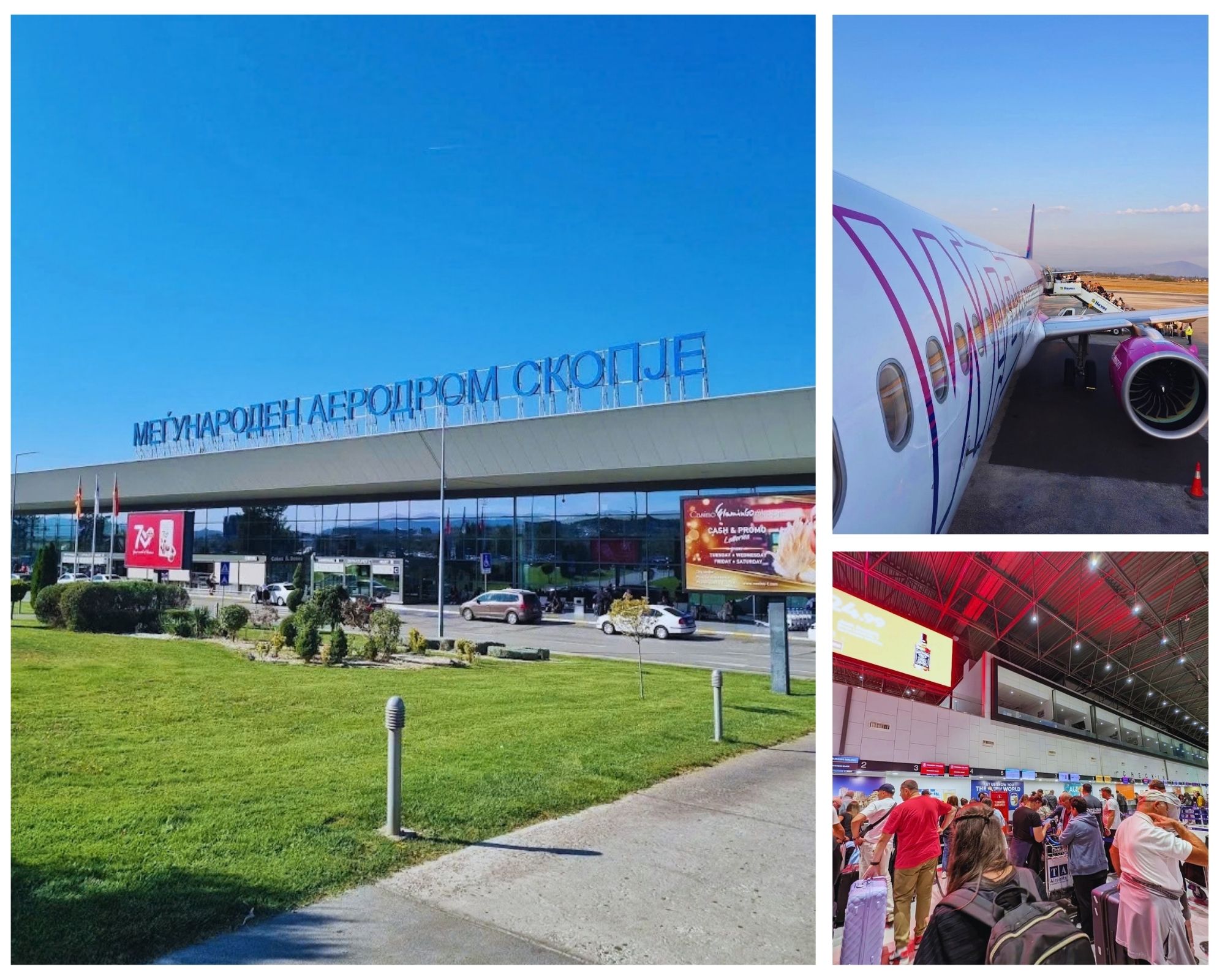
Skopje Now Connects to 50 Direct Destinations as Travel from Macedonia Surges 29%
Skopje connected to 50 direct destinations in summer 2026, while passenger numbers from Skopje and Ohrid rose by 29%.

From an Idea to a Destination: The Story of Antiko in the Heart of Berovo
In the heart of Berovo, Antiko welcomes you with homemade flavors, a warm atmosphere, and genuine hospitality — a place where good moments are shared around the table.
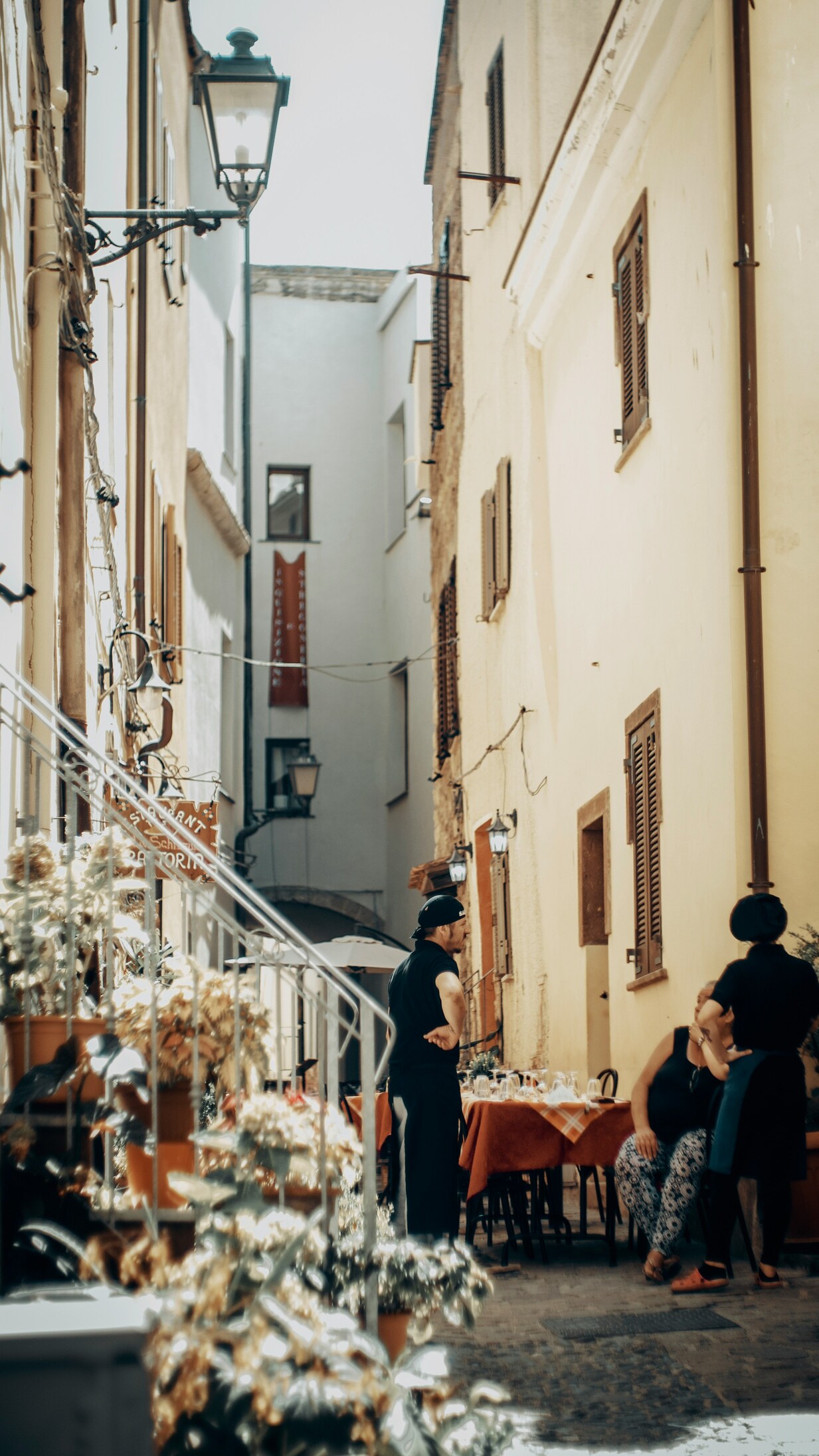
Bolotana – The Village of Centenarians: Does Macedonia Have Its Own “Blue Zone”?
Bolotana in Sardinia is known for its remarkable number of centenarians. What lies behind their longevity, and does Macedonia have its own village of long-lived residents?
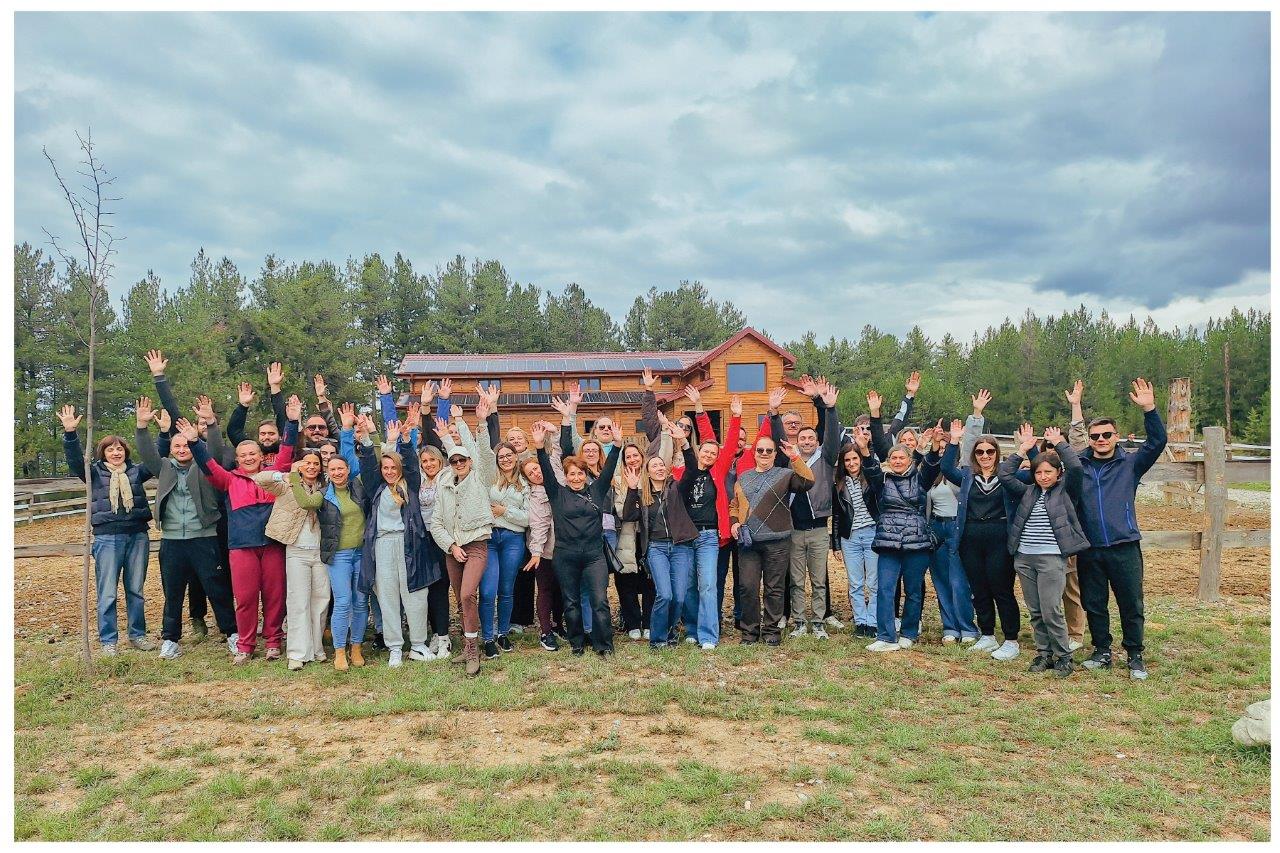
Another Successful Team-Building Experience by Kajak.mk!
Another Team-Building Experience Organized by Kajak.mk!
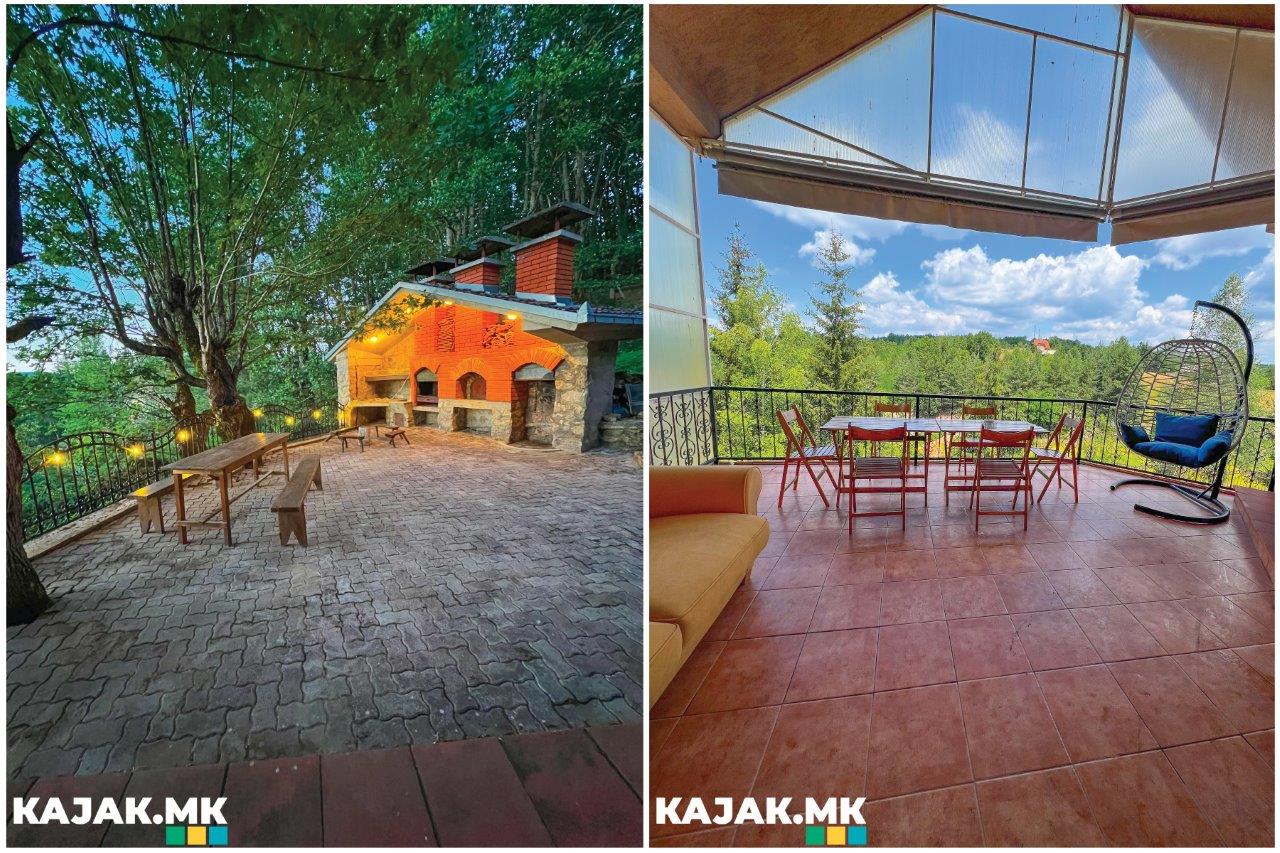
Kajak.mk with a New Mountain Accommodation on Mount Obozna – 1,000 m Above Sea Level!
Just when you think you’ve seen and visited everything in Macedonia, Kajak.mk takes you to a new place and a new destination!