15.10.2026
Macedonian Ajvar – Tradition, Homemade Food and Autumn Flavours
Macedonian Ajvar – Tradition, Homemade Food and Autumn Flavours

Autumn in Macedonia has a special smell. It is the smell of roasted red peppers, fires burning in courtyards, homemade food and jars being filled for the winter months. For many Macedonian families, this is the time of year when ajvar is prepared — one of the most recognisable and beloved flavours of the traditional Macedonian table.
But ajvar is much more than a spread made from roasted peppers. It is part of a family tradition, a childhood memory, a reason to gather with loved ones and a custom passed down from one generation to the next.
For travellers who want to discover Macedonia through its food, ajvar is an excellent starting point for exploring local culture, rural life and hospitality.
How Is Traditional Macedonian Ajvar Made?
The main ingredient in ajvar is ripe red peppers, which are roasted until their skins darken and the flesh becomes soft. They are then left to cool, peeled and cleaned of their seeds.
The cleaned peppers are ground or finely chopped, and the resulting mixture is slowly cooked over low heat, with constant stirring, until it reaches the desired consistency. Depending on the recipe, oil and salt may be added, while some variations also include eggplant.
Every family has its own method of preparation. Some prefer a smooth, creamy texture, while others enjoy a chunkier consistency. Some follow their grandmother's recipe, while others add their own personal touches.
That is precisely what makes homemade ajvar so special. It is rare to find two jars that taste exactly the same.
Making Ajvar: An Autumn Ritual in Macedonian Courtyards
When autumn arrives, a familiar scene unfolds in many Macedonian courtyards: bags of red peppers, glowing embers, rising smoke, large cooking pots and families gathered together to prepare their winter preserves.
Ajvar is rarely made alone. Several family members usually take part, and sometimes neighbours and friends lend a hand. Some roast the peppers, others peel them, while someone else stirs the mixture. Conversations and laughter make the long preparation process more enjoyable.
For some families, making ajvar is a full-day activity. Others spread the process over several sessions, depending on the quantity of peppers and the weather.
Although it requires time and effort, preparing ajvar is also a social occasion. Older family members pass their knowledge on to younger generations, recipes are exchanged, and the courtyard becomes a place for spending time together.
For international visitors, this tradition can be a particularly interesting experience. It reveals a side of everyday life in Macedonia that cannot be fully discovered simply by visiting the country's tourist attractions.
Why Does Homemade Ajvar Taste So Special?
The secret to good ajvar lies not only in the recipe. The quality and ripeness of the peppers, the roasting method, the cooking time and the care given to every step all matter.
Many families choose peppers from their own gardens or buy them from local farmers. Roasting gives ajvar its characteristic flavour, while slow cooking allows the ingredients to blend together.
Homemade ajvar is commonly served with fresh bread, cheese, eggs, roasted vegetables or meat. It can be part of breakfast, lunch or dinner, or simply served as a snack when family and friends gather around the table.
For tourists, a jar of homemade ajvar can also make a lovely souvenir — a small reminder of the flavours and hospitality they experienced in Macedonia.
Ajvar as Part of Macedonian Culinary Tradition
Macedonian cuisine is rich in dishes and products connected to the seasons and local ingredients. Ajvar is just one part of this story.
During autumn, families prepare other types of preserves as well, including pickled vegetables, roasted peppers, ljutenica and various homemade spreads. Tables are often filled with homemade pies, cheeses, honey, seasonal salads and dishes made with ingredients from family gardens.
These flavours vary from one region to another, and sometimes even from one village to the next. Traditional recipes are often connected to family stories and memories, making food an important part of local identity.
That is why gastronomy can be an excellent reason for travellers to explore more of Macedonia, visit rural communities and meet local producers.
Where Can You Discover Homemade Food in Macedonia?
You do not have to stay in the major cities to experience Macedonian gastronomy. Rural settlements, mountain villages and family-run accommodations can offer a different way to travel.
Staying in a village house, enjoying a meal prepared with local ingredients or talking to a host who is happy to share the story behind a traditional dish can be just as memorable as visiting a famous tourist attraction.
Through kajak.mk, visitors can explore different accommodations and organised experiences across Macedonia. Those interested in local cuisine can look for rural guesthouses, mountain accommodation and listings that include traditional meals or culinary activities.
It is important to check with the host in advance to find out whether such an experience is available. Making ajvar is not offered at every accommodation and depends on the season, local conditions and the arrangements made by the hosts.
From Ajvar to Wine Tours: Autumn Flavours Worth Discovering
An autumn trip through Macedonia can also include visits to local wineries. The country's wine regions offer visitors the opportunity to discover Macedonian wines, learn more about the winemaking process and enjoy local gastronomy.
Combining a rural stay with traditional food and a winery visit can create an enjoyable weekend for couples, friends or families looking to escape the bustle of the city.
On kajak.mk, visitors can explore available accommodation and organised tours, then put together a trip based on their interests, budget and available time.
Discover Macedonia Through Its Flavours
Ajvar tells a story about Macedonia through simple ingredients and a tradition passed down through generations.
It is the taste of roasted peppers, the warmth of family gatherings and the satisfaction of preparing homemade food. For local people, ajvar often brings back childhood memories and time spent with family. For tourists, it offers a chance to discover the country through its customs, cuisine and hospitality.
Sometimes, the most memorable travel experiences are not found only at famous landmarks. They are hidden around a dining table, in a village kitchen or in a conversation with someone who takes pride in sharing their heritage.
And in Macedonia, a jar of homemade ajvar can tell a truly beautiful story.
Блог
Препораки
Read More
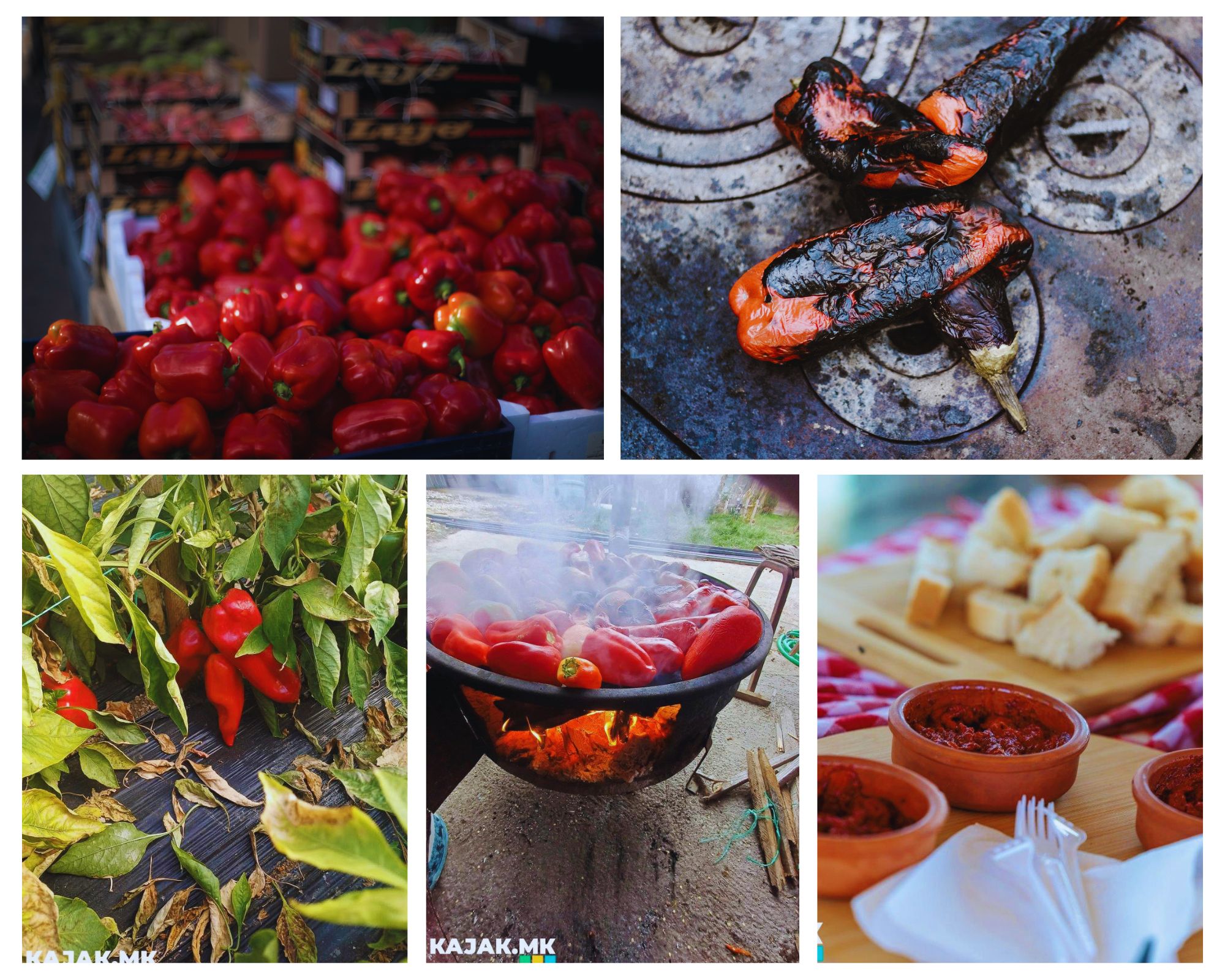
Macedonian Ajvar – Tradition, Homemade Food and Autumn Flavours
Discover the story of Macedonian ajvar, the tradition of making homemade preserves, family customs and authentic culinary experiences in Macedonia.
10 Affordable Cities in Europe for a Weekend Getaway
Discover 10 affordable European cities for a weekend getaway. Explore interesting destinations and learn how to plan your travel budget.
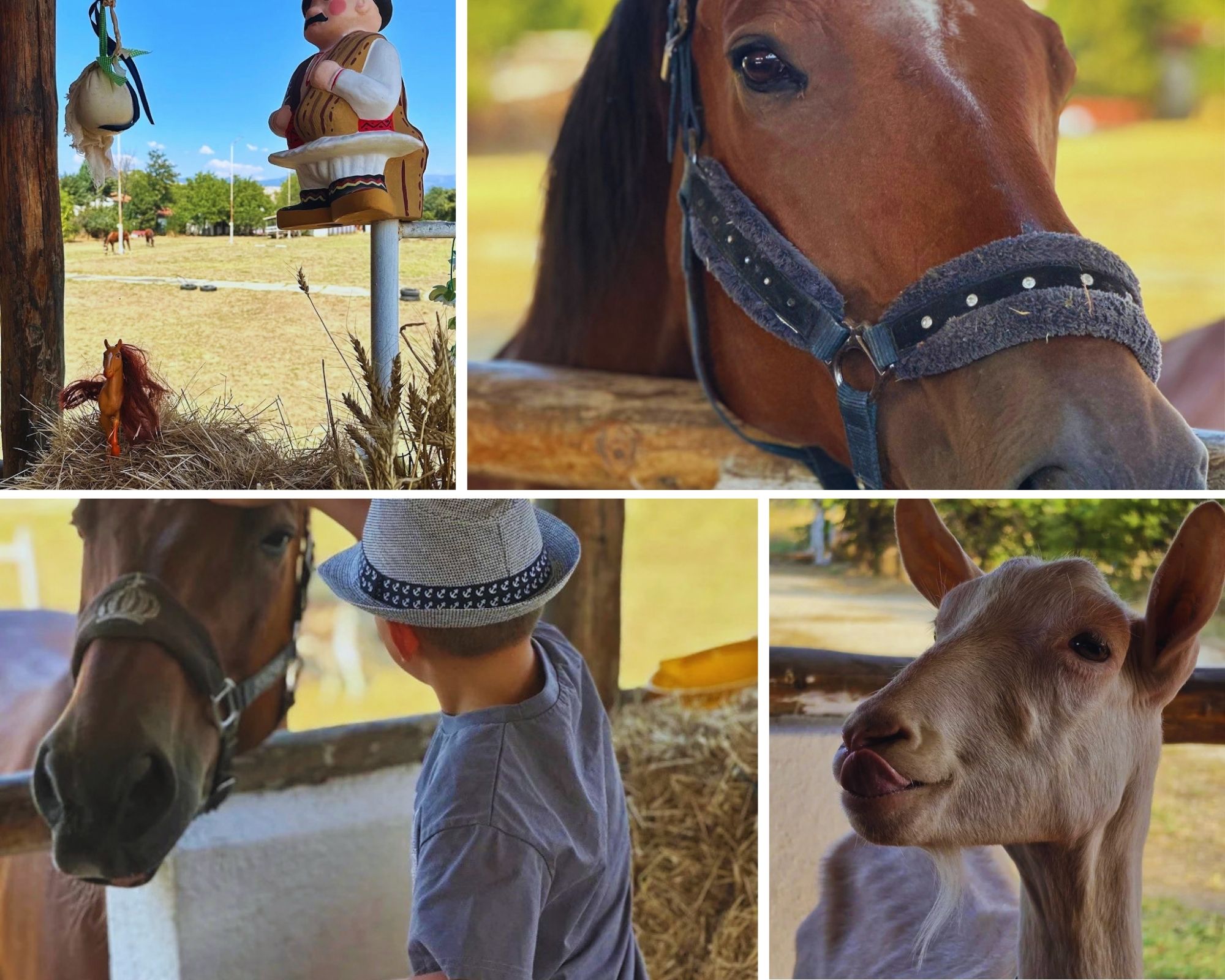
What to Do This Weekend in Skopje? | Kajak.mk
Looking for weekend ideas in Skopje? Discover horse riding, donkey walks, carriage rides, and fun outdoor activities with Kajak.mk.

Skopje Now Connects to 50 Direct Destinations as Travel from Macedonia Surges 29%
Skopje connected to 50 direct destinations in summer 2026, while passenger numbers from Skopje and Ohrid rose by 29%.
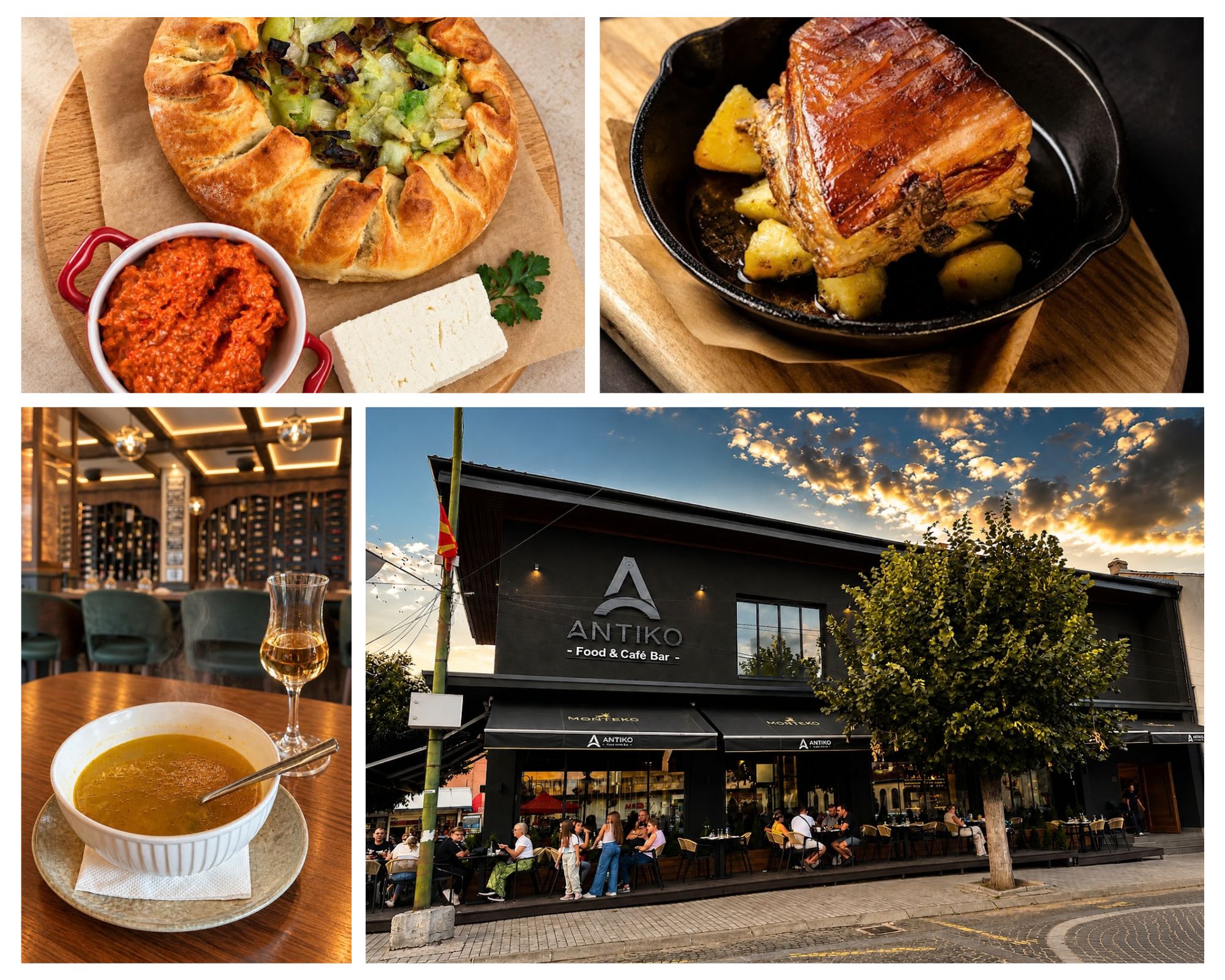
From an Idea to a Destination: The Story of Antiko in the Heart of Berovo
In the heart of Berovo, Antiko welcomes you with homemade flavors, a warm atmosphere, and genuine hospitality — a place where good moments are shared around the table.
Bolotana – The Village of Centenarians: Does Macedonia Have Its Own “Blue Zone”?
Bolotana in Sardinia is known for its remarkable number of centenarians. What lies behind their longevity, and does Macedonia have its own village of long-lived residents?