Camping in 2026 is no longer reserved just for adventurers with tents and backpacks. It has evolved into one of the most authentic ways to travel, placing nature, personal experience, and local stories at the center. Modern travelers are increasingly seeking to escape mass tourism, looking for peace, freedom, and a true connection to the places they visit. For those who want more than a conventional vacation, camping is becoming the top choice.
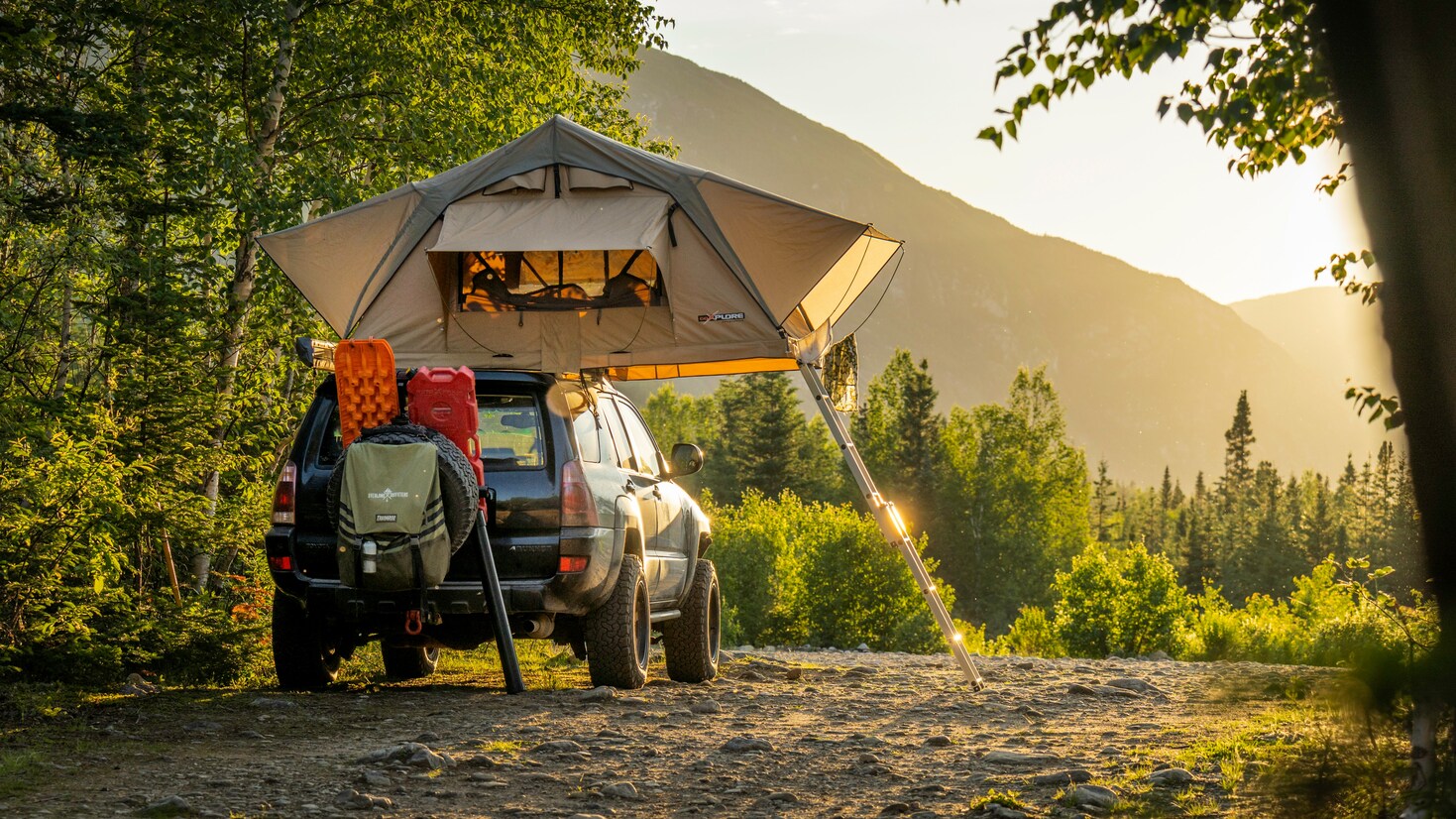
One of the most notable trends is solo camping. People are choosing to travel alone, not out of loneliness, but for the need for quiet, reflection, and personal balance. Camping in nature provides an escape from digital noise and everyday stress while offering a sense of freedom and control over one’s time. This type of travel is becoming increasingly popular across generations, especially for those seeking short but meaningful experiences.
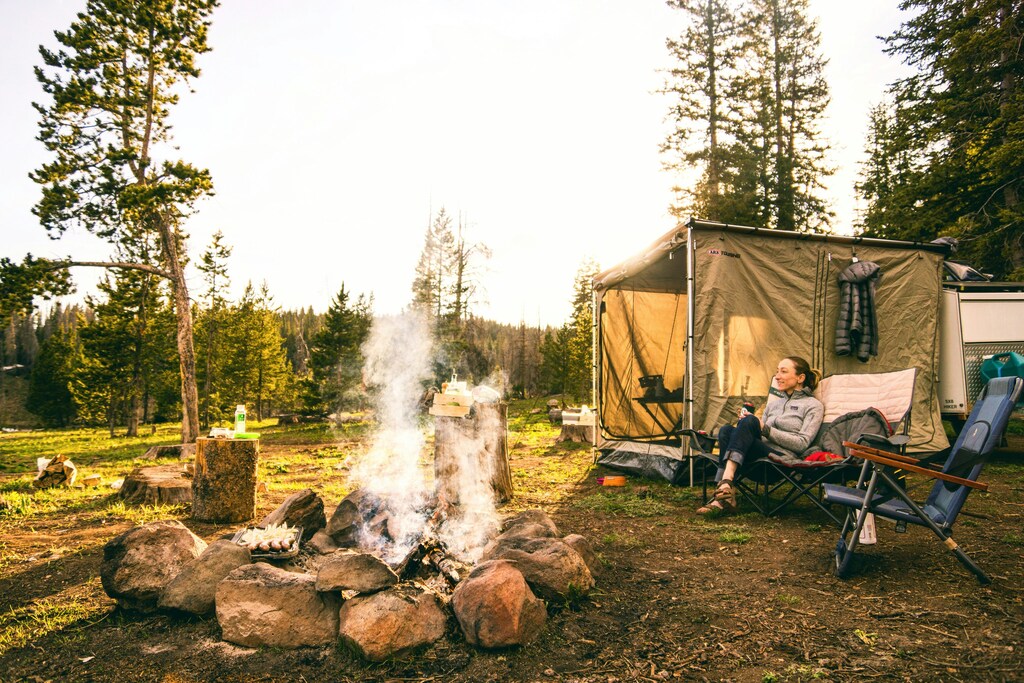
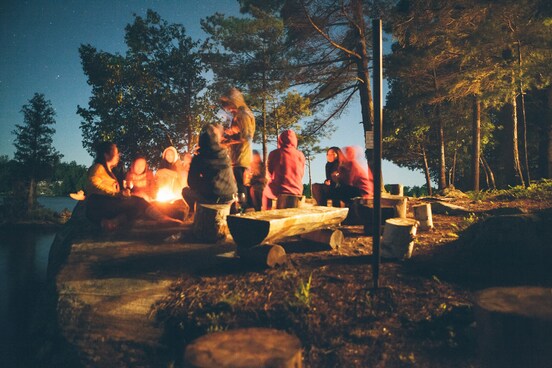
At the same time, camping in 2026 is taking on a strong social dimension. Campsites are increasingly designed as spaces for connection, sharing experiences, and making new friends. Travelers are looking for more than just a place to sleep—they want environments where they can meet like-minded people, share stories around a campfire, or take part in group activities in nature. Camping is becoming a shared experience rather than an isolated escape.
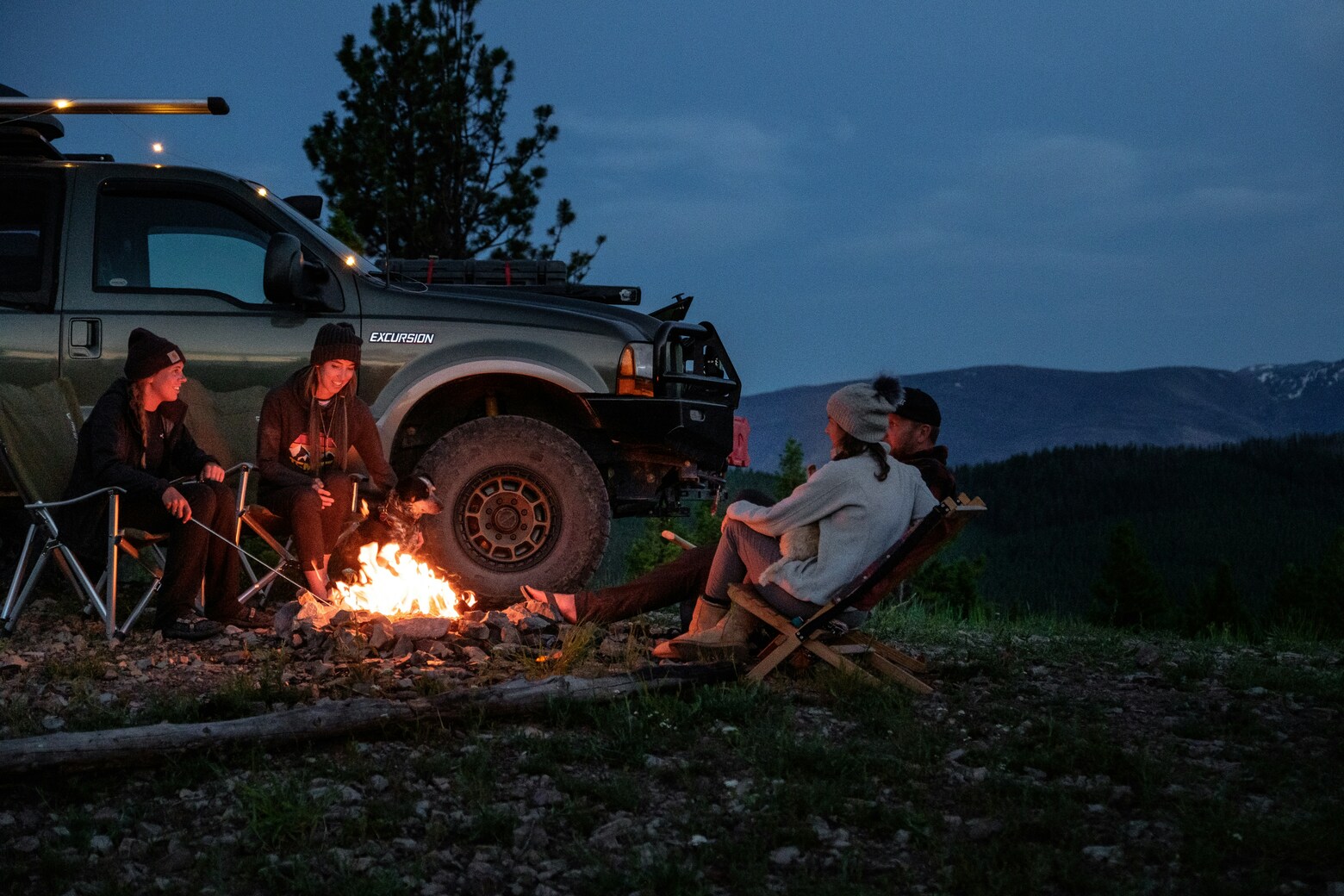
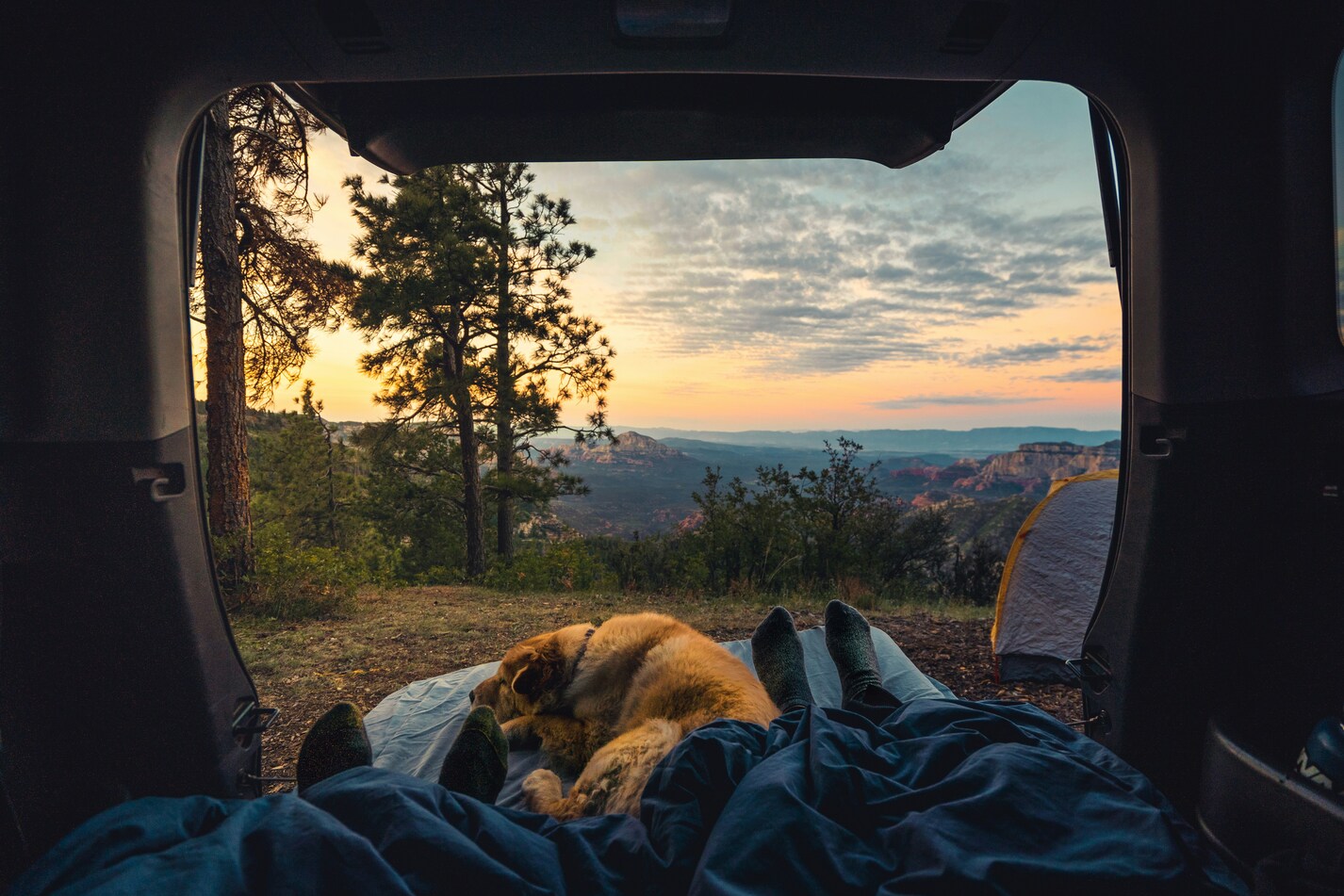
Comfort is also playing an important role. More travelers are choosing campervans, vans, and small mobile homes that provide convenience without losing connection to nature. This way of traveling offers flexibility, the freedom to move spontaneously, and a sense of home wherever you are. Camping no longer means giving up comfort—it is about intelligently combining nature with modern living.
In 2026, there is a special focus on local experiences. Camping is increasingly connected with farms, vineyards, rural households, and small communities, giving visitors the chance to experience the true authenticity of a place. Instead of traditional tourist attractions, travelers are seeking stories, local cuisine, traditions, and meaningful interactions with the people who live there. This approach fosters a deeper connection with the destination and supports sustainable tourism.
More travelers are also choosing short camping trips close to home. Instead of long and expensive vacations, the trend is moving toward weekend getaways in nature that offer quick refreshment and mental relaxation. These short adventures are easy to plan, fit perfectly into a busy lifestyle, and still provide the feeling of a genuine travel experience.
North Macedonia has tremendous potential to embrace these global camping trends. Its mountains, lakes, rivers, and rural landscapes provide ideal conditions for all forms of camping. From wild, off-the-grid locations to organized campsites, the country offers authentic experiences for modern travelers seeking peace, adventure, and meaningful stories.
Camping in 2026 is not a passing trend; it is a way of travel that restores the true essence of a vacation. It is a return to nature, to oneself, and to the genuine values of travel. For those looking to experience something different, camping has become the purest and most authentic choice.