06.10.2026
Bolotana – The Village of Centenarians: Does Macedonia Have Its Own “Blue Zone”?
Bolotana – The Village of Centenarians: Does Macedonia Have Its Own “Blue Zone”?

On the island of Sardinia, there is a small mountain village attracting attention for something that is becoming increasingly rare today – a remarkable number of people who live to the age of 100 and beyond. The village is Bolotana, a place highlighted by National Geographic as a new example of a so-called “Blue Zone”, an area known for an unusually high number of long-lived residents.
But the story of Bolotana is not only about longevity. It raises a fascinating question:
Does Macedonia also have villages where people live long because of their traditional way of life?
The term “Blue Zones” is used to describe places around the world where people have exceptionally long lifespans and where the number of centenarians is unusually high compared with the average.
Bolotana is located in the mountainous part of Sardinia and has around 2,000 residents. Yet, according to research described by National Geographic, the village is home to several centenarians.
The secret, however, does not appear to lie in one particular food or a miraculous recipe.
Life in Bolotana is very different from the modern urban lifestyle.
People eat plenty of vegetables, legumes, potatoes and pasta, use olive oil, produce much of their own food and eat meat relatively rarely.
But perhaps even more importantly, movement is a natural part of everyday life.
There is no need for a gym when people walk up and down steep streets every day, work in gardens, take care of animals or walk from one part of the village to another.
It is natural movement, spread throughout the entire day.
When we talk about longevity, we often look for one single reason – a particular food, medicine, supplement or special diet.
But the story of Bolotana suggests something much more interesting.
Longevity may be the result of many small habits working together.
Home-cooked food.
Regular movement.
Less stress.
Working in the garden.
Being close to nature.
Strong family relationships.
A sense of community.
These are things we often seek in today's modern approach to healthy living, yet they were once simply a natural part of everyday life in rural communities.
And this is where the story becomes particularly interesting for us.
In Macedonia, there are still mountain and rural communities where people live very differently from those in large cities.
In some villages, people still have their own gardens, raise sheep, goats and chickens, make their own cheese, eat seasonal food and spend much of their day outdoors.
Instead of a car – walking.
Instead of a supermarket – a garden.
Instead of a gym – working around the house and property.
Instead of isolation – family and neighbours.
And this leads to an intriguing question:
Does Macedonia have its own “Blue Zone”?
The answer cannot be determined simply by looking at a few elderly residents in one village. Declaring a place a “Blue Zone” requires serious demographic and scientific research.
But Macedonia has something that deserves to be explored – a traditional rural way of life that is gradually disappearing.
In mountainous regions, especially in villages where farming and livestock breeding are still part of everyday life, there are people who, even in their 80s, 90s or beyond, continue to work, walk and live independently.
Perhaps the most interesting lesson from Bolotana is not about food.
The lifestyle we now call a “healthy lifestyle” was once simply a normal lifestyle.
Home-grown food. Movement. Nature. Work. Family. Community.
And perhaps that is exactly why the story of a small Sardinian village can encourage us to look again at our own villages.
Where do the oldest people in Macedonia live?
Which Macedonian village has the highest number of centenarians?
And what do these people eat, how do they live and how much do they move?
Maybe the next great longevity story will not come from Sardinia. Maybe it is hidden somewhere in the mountains of Macedonia.
Блог
Препораки
Read More
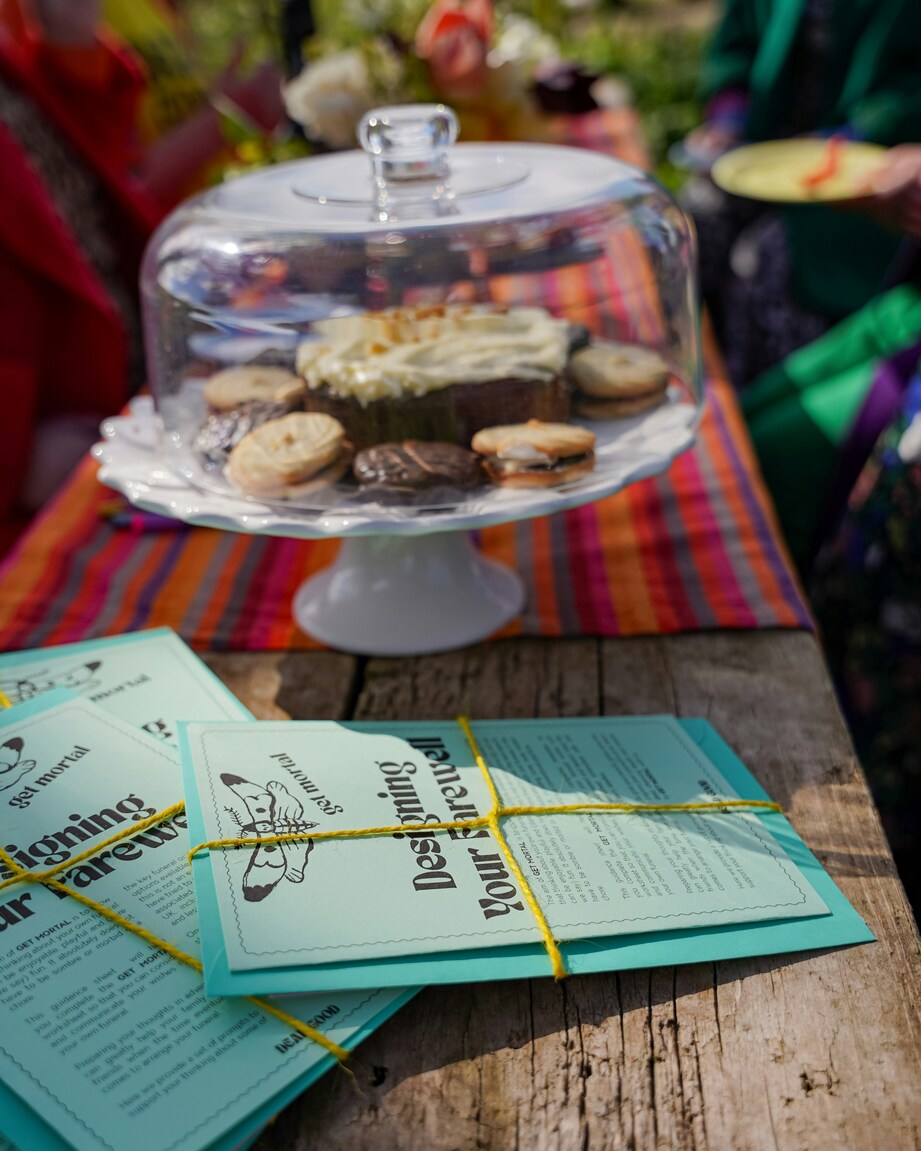
Homemade Food by the Road: A New Kind of Tourist Stop in Macedonia
British cake sheds inspire a question: could local food in Macedonia become a reason for travellers to make a new kind of stop?

Team Building in Slovakia, Plus a Bonus Trip to Vienna!
Тим билдинг во Словачка со Кајак.мк, плус бонус трака до Виена!

Smart Travel in the Digital Age: How to Book Safely and Avoid Scams
Discover how to use technology wisely when travelling, choose reliable accommodation, make secure online payments, protect your personal data, and avoid travel scams.
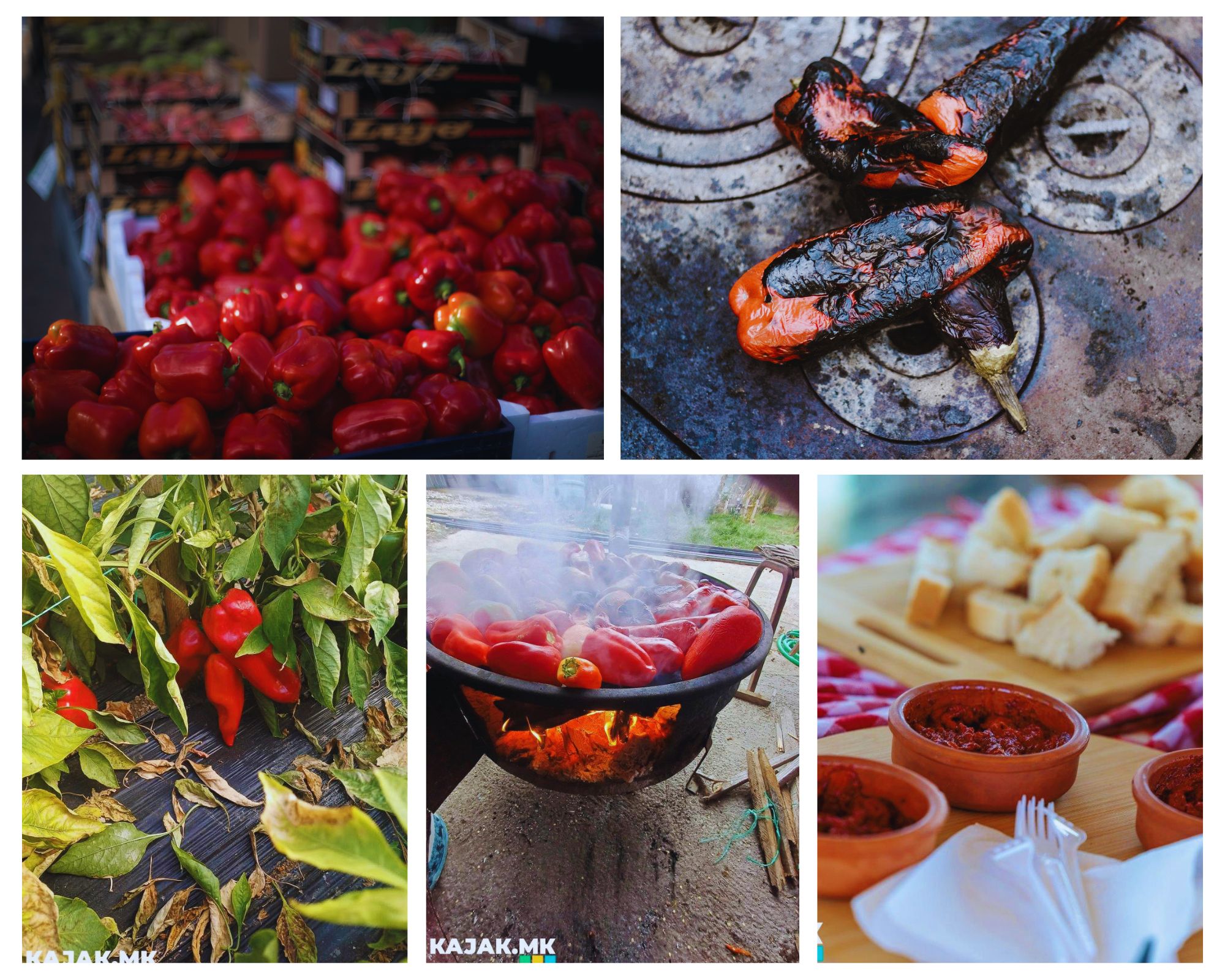
Macedonian Ajvar – Tradition, Homemade Food and Autumn Flavours
Discover the story of Macedonian ajvar, the tradition of making homemade preserves, family customs and authentic culinary experiences in Macedonia.
10 Affordable Cities in Europe for a Weekend Getaway
Discover 10 affordable European cities for a weekend getaway. Explore interesting destinations and learn how to plan your travel budget.
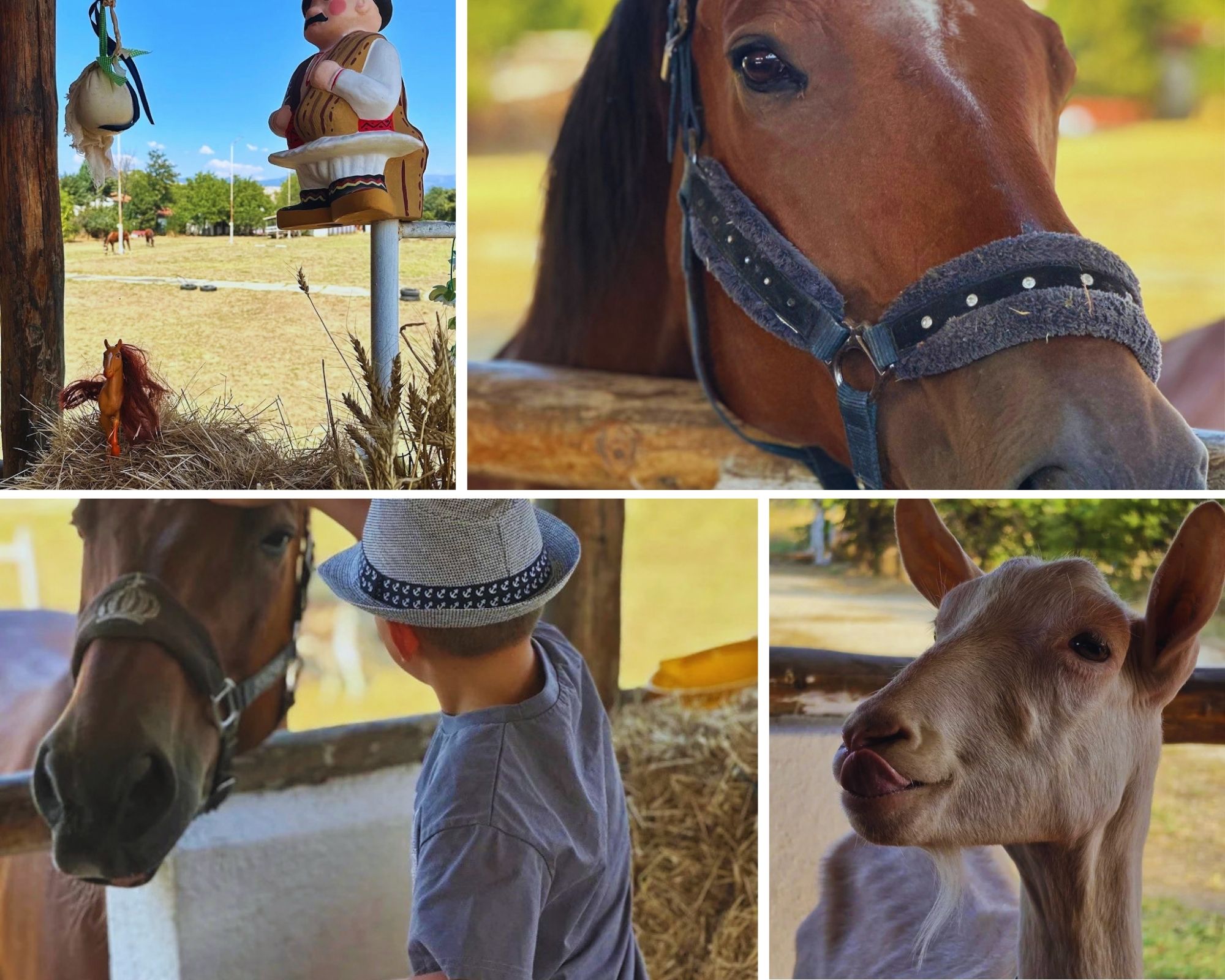
What to Do This Weekend in Skopje? | Kajak.mk
Looking for weekend ideas in Skopje? Discover horse riding, donkey walks, carriage rides, and fun outdoor activities with Kajak.mk.