17.09.2026
AI and the Future of Tourism: What Will Remain Uniquely Human?
AI and the Future of Tourism: What Will Remain Uniquely Human?

Until recently, when we wanted to plan a trip, we would open Google and start searching. A hotel. A restaurant. A place to visit. A hiking trail. A museum. A winery. Reviews. Prices. Every piece of information led us to another page, another search, and another comparison.
Today, we can do something completely different.
We can simply talk to artificial intelligence.
“I have four days. I want nature, good local food, wine, and some places that aren’t crowded with tourists. I’m traveling with my family, and I don’t want to spend four hours a day in the car.”
Within seconds, we can get a suggested itinerary for the entire trip.
And this is where one of the biggest changes tourism has seen in decades begins.
The traveler is no longer looking only for information. They are looking for an answer.
The internet transformed tourism by making information accessible to everyone. Artificial intelligence can now transform tourism in another way: by turning enormous amounts of information into something personalized.
That is a major difference.
When we search for “what to visit in Macedonia,” we get thousands of results. But when we tell AI that we want three days in Macedonia, that we want mountains, local food, a wine experience, and a place that isn’t a typical tourist attraction, we get a completely different answer.
Artificial intelligence begins to understand context.
Not just what we are looking for, but why we are looking for it.
And that may be one of the biggest changes for the tourism industry.
Could we be getting a new kind of travel agent?
Not a travel agent sitting behind a desk and suggesting destinations, but a digital assistant that is available at any time and can adapt a trip to our individual preferences.
AI can help us choose a destination, create an itinerary, compare different options, find activities, translate a message to a host, or suggest a nearby restaurant.
But the most interesting part is not simply its ability to provide information.
The most interesting part is its ability to connect information into a complete travel experience.
From “I want to go somewhere” to “Here is what my trip could look like.”
This will also affect travel agencies, hotels, tour guides, and everyone else involved in the travel-planning process.
So, what will AI actually replace?
This is the question that worries people the most.
Will it replace travel agents? Will it replace people who create tourism content? Will it replace those who answer guests’ questions?
It will probably replace some parts of their work.
But perhaps it is more accurate to say that it will replace some tasks, rather than necessarily replacing people.
Tasks that are repetitive, require searching and processing large amounts of information, or follow predictable patterns are exactly where AI can be most useful.
Answering the same questions every day. Translating. Preparing basic travel offers. Organizing information. Analyzing reviews. Creating marketing content.
All of this can become much faster.
And perhaps that is not a bad thing.
If the owner of a small family-run accommodation can spend two hours with guests instead of spending those two hours answering repetitive messages, then technology is not actually removing human contact.
It is creating more space for it.
And that space for human interaction may become one of the greatest values in tourism.
Imagine arriving in a small mountain village.
AI can help you find the village. It can show you the altitude, the weather, the route, available accommodation, and places worth visiting.
But it cannot be the host who welcomes you with a cup of coffee.
It cannot tell you the story behind the house.
It cannot know that there is a small trail behind the village that local people take to reach a spring.
It cannot tell you that if you wake up early the next morning, one of the most beautiful sunrises can be seen from the hill above the village.
These things are not just data.
They are part of the experience.
And that is why the future of tourism does not have to be without people.
Perhaps it will be a form of tourism in which people have more time to simply be human.
The more AI becomes part of tourism, the more valuable authenticity may become.
This is one of the most interesting paradoxes.
Artificial intelligence can create a description of any destination within seconds. It can write dozens of descriptions for a hotel, restaurant, or tourist attraction.
But because of that, there is a risk that the internet will become filled with the same stories.
Every mountain will be “magical.”
Every village will be a “hidden gem.”
Every experience will be “unforgettable.”
And at some point, everything will start to sound the same.
That is when what is genuinely original becomes even more valuable.
The story of a real host.
A grandmother’s recipe.
A small family-owned winery.
A guide who has known the mountain trails for years.
The person who knows where to go when it rains, where to have the best lunch, or where you can spend an entire day without seeing another tourist.
That cannot simply be generated.
Macedonia has something AI cannot invent.
For a small tourism destination like Macedonia, this is particularly important.
We do not need to invent authenticity.
It already exists.
It exists in mountain villages, small family-run accommodations, wine regions, traditional food, monasteries, lakes, local guides, and the people who have been welcoming guests for years.
The challenge is making those stories visible.
Until recently, the question was how to make a tourism offering appear on Google.
Tomorrow, it will increasingly matter how that offering is understood and recognized by AI systems that help travelers decide where to go.
That means tourism businesses will need accurate information, high-quality content, clearly presented services, and genuine experiences behind what they promise.
But most importantly, they will need a story.
The new competition may not be about having the lowest price.
For years, the tourism market has largely competed on price, location, photographs, ratings, and availability.
AI can make comparison even easier.
And when a traveler can compare dozens of accommodations, restaurants, or activities within seconds, the question becomes: what will make them choose you?
The answer will not always be the lowest price.
It may be the story.
Why this place?
Who is behind it?
What kind of experience will the guest have?
What will they see, taste, or feel that they cannot experience somewhere else?
This is where tourism returns to its essence.
People travel to see something new, but very often they travel to feel something new.
Perhaps AI will not replace the tour guide. It will give the guide more time to spend with travelers.
Perhaps it will not replace the host. It will help the host communicate more easily with guests from around the world.
Perhaps it will not replace the travel agent. It will help them create personalized trips more quickly.
Perhaps it will not replace the hotel employee. It will help them avoid spending hours on repetitive administrative tasks.
And that is why the question “Will AI replace people?” may not be the best question to ask.
A better question is:
What will we do with the time AI gives back to us?
If we use it for even more automation, we may create faster tourism.
But if we use it for better hospitality, better experiences, and more human connection, we may create better tourism as well.
Who will remain human?
Perhaps that will be the biggest challenge for tourism in the years ahead.
AI will be able to tell us where to go.
It will be able to create our itinerary.
It will be able to find us a hotel, a restaurant, and activities.
Perhaps one day it will be able to organize almost an entire trip without us opening a single tourism website.
But when we arrive, we will still want someone to open the door.
Someone to welcome us.
Someone to show us where to eat.
Someone to tell us a story that no algorithm has written.
And perhaps that is exactly where the future of tourism lies.
Not humans versus artificial intelligence.
But technology taking over the work it can handle — so that people have more time for what only people can give.
So perhaps the real question is not:
“Who will replace the human?”
But:
“Which parts of travel will we never want to replace?”
Блог
Препораки
Read More
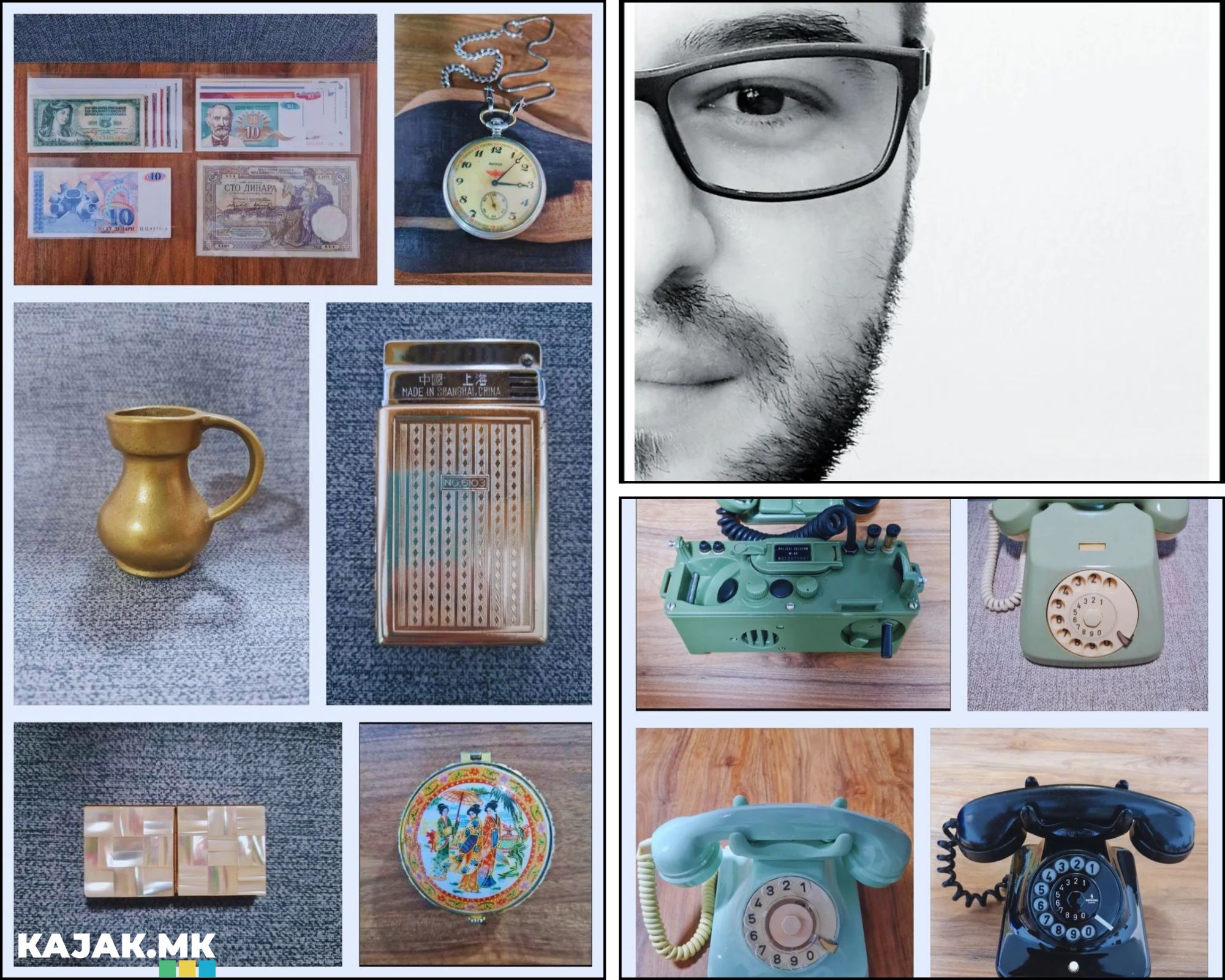
Explore a Collection of One-of-a-Kind Handmade Creations
From Pebbles to 25,000 Pieces: Aleksandar Radicheski Creates Unique Art and Gives Forgotten Objects a New Life
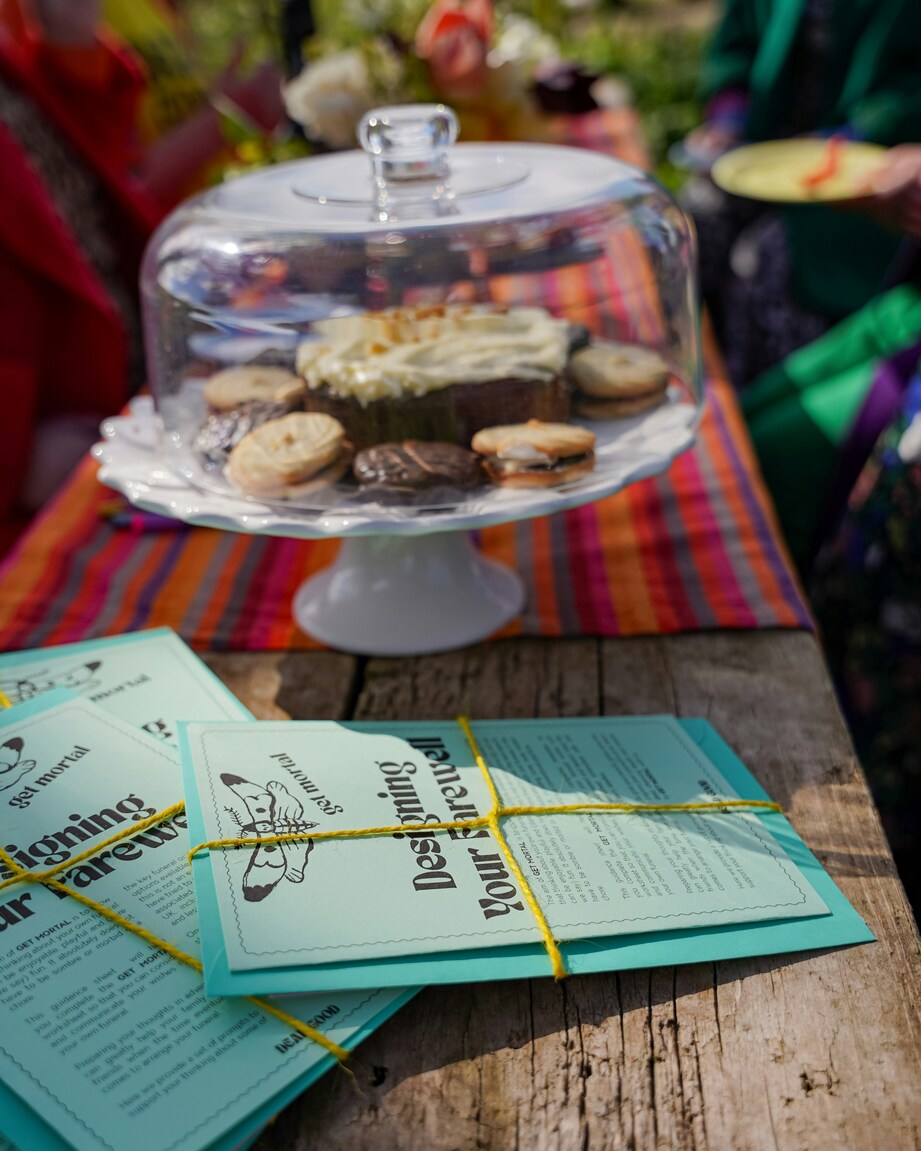
Homemade Food by the Road: A New Kind of Tourist Stop in Macedonia
British cake sheds inspire a question: could local food in Macedonia become a reason for travellers to make a new kind of stop?
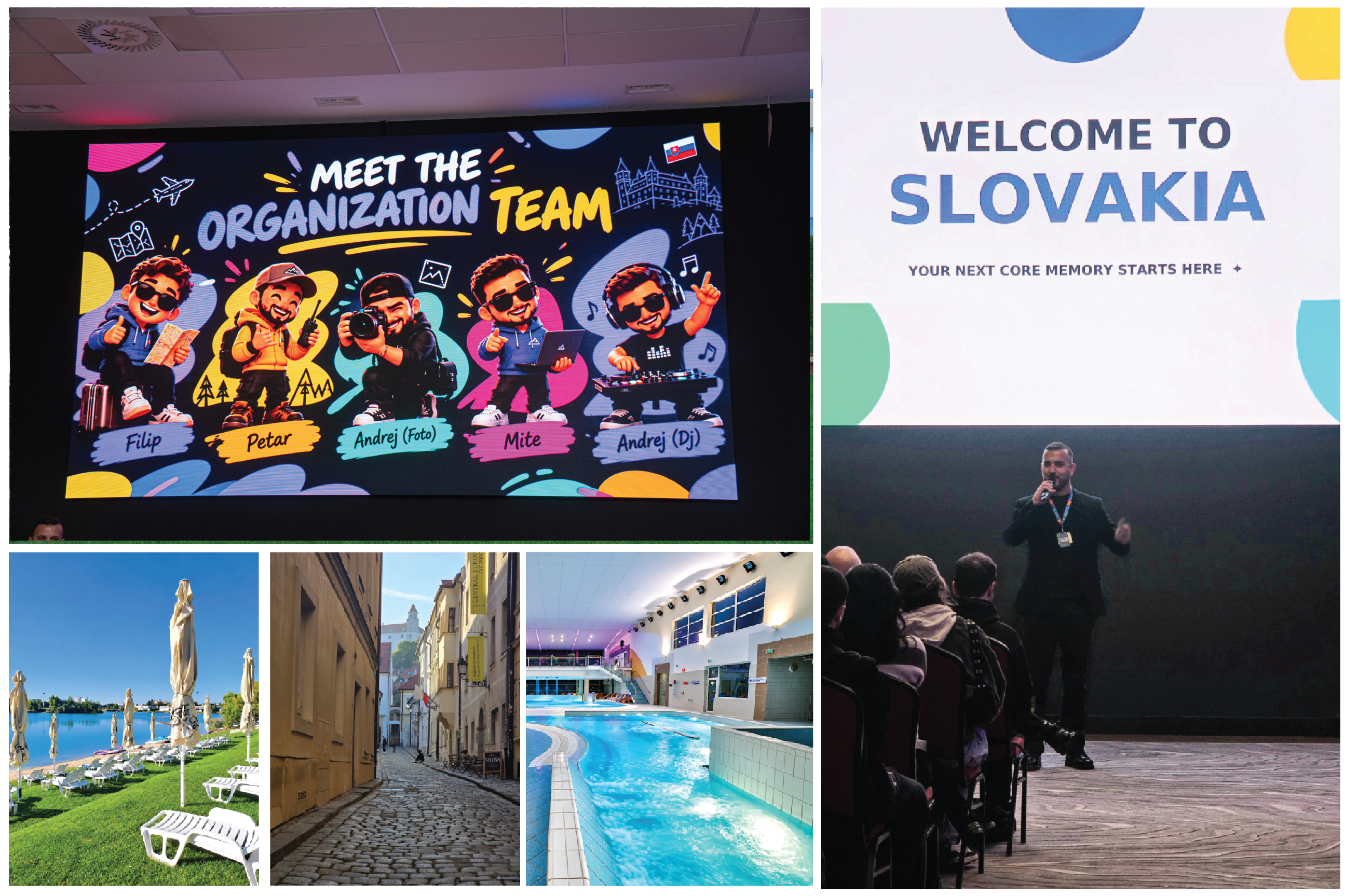
Team Building in Slovakia, Plus a Bonus Trip to Vienna!
Тим билдинг во Словачка со Кајак.мк, плус бонус трака до Виена!

Smart Travel in the Digital Age: How to Book Safely and Avoid Scams
Discover how to use technology wisely when travelling, choose reliable accommodation, make secure online payments, protect your personal data, and avoid travel scams.
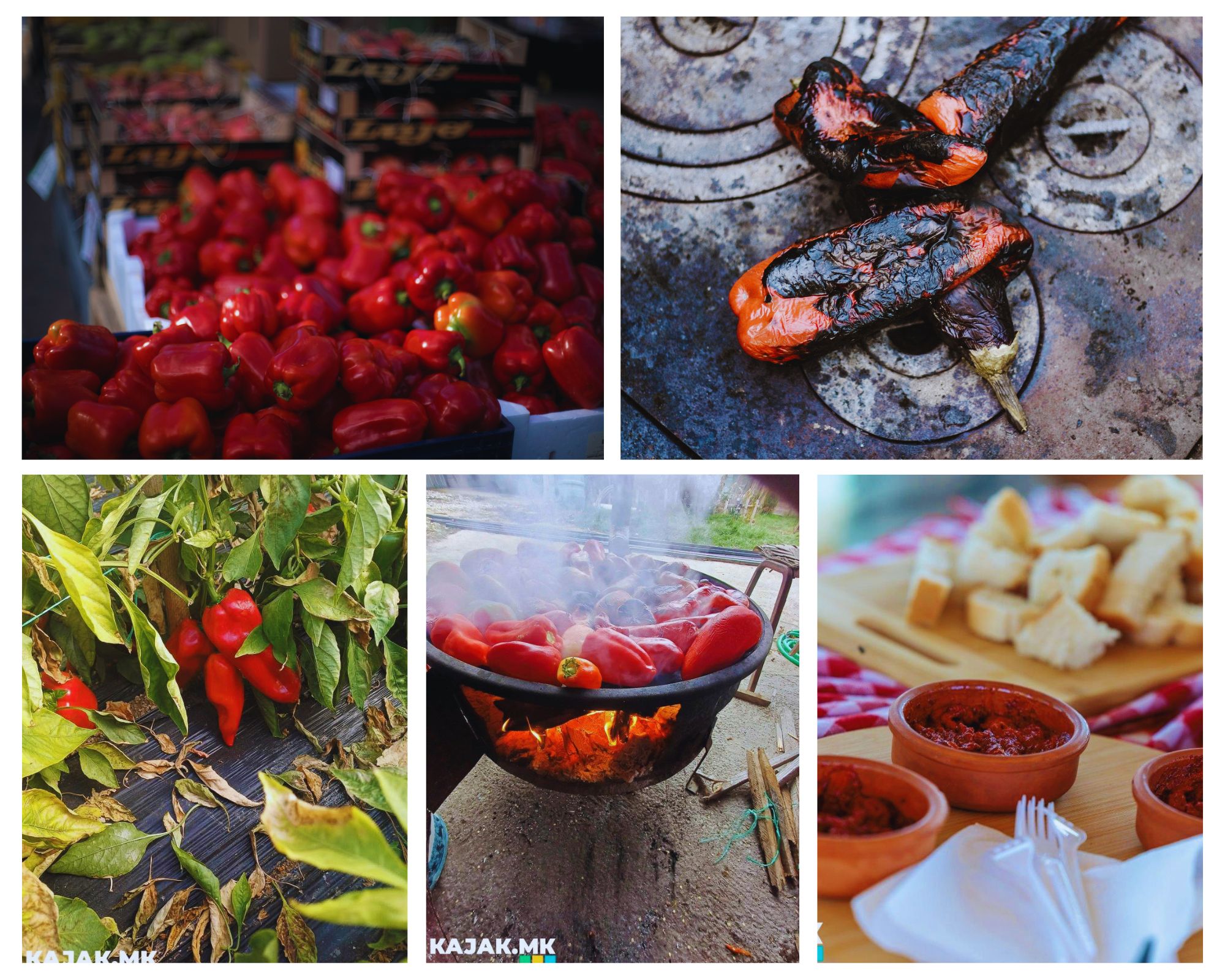
Macedonian Ajvar – Tradition, Homemade Food and Autumn Flavours
Discover the story of Macedonian ajvar, the tradition of making homemade preserves, family customs and authentic culinary experiences in Macedonia.
10 Affordable Cities in Europe for a Weekend Getaway
Discover 10 affordable European cities for a weekend getaway. Explore interesting destinations and learn how to plan your travel budget.